Special Issue of JSS on R GUIs

An announcement by the Journal of Statistical Software- call for papers on R GUIs. Initial deadline is December 2010 with final versions published along 2011.

Announce

Special issue of the Journal of Statistical Software on

Graphical User Interfaces for R

Editors: Pedro Valero-Mora and Ruben Ledesma

Since it original paper from Gentleman and Ihaka was published, R has managed to gain an ever-increasing percentage of academic and professional statisticians but the spread of its use among novice and occasional users of statistics have not progressed at the same pace. Among the reasons for this relative lack of impact, the lack of a GUI or point and click interface is one of the causes most widely mentioned. But, however, in the last few years, this situation has been quietly changing and a number of projects have equipped R with a number of different GUIs, ranging from the very simple to the more advanced, and providing the casual user with what could be still a new source of trouble: choosing what is the GUI for him. We may have moved from the “too few” situation to the “too many” situation
This special issue of the JSS intends as one of its main goals to offer a general overview of the different GUIs currently available for R. Thus, we think that somebody trying to find its way among different alternatives may find useful it as starting point. However, we do not want to stop in a mere listing but we want to offer a bit of a more general discussion about what could be good GUIs  for R (and how to build them). Therefore, we want to see papers submitted that discuss the whole concept of GUI in R, what elements it should include (or not), how this could be achieved, and, why not, if it is actually needed at all. Finally, despite the high success of R, this does not mean other systems may not treasure important features that we would like to see in R. Indeed, descriptions of these nice features that we do not have in R but are in other systems could be another way of driving the future progress of GUIs for R.

In summary, we envision papers for this special issue on GUIs for R in the following categories:

– General discussions on GUIs for statistics, and for R.

– Implementing GUI toolboxes for R so others can program GUIs with them.

– R GUIs examples (with two subcategories, in the desktop or in the cloud).

– Is there life beyond R? What features have other systems that R does not have and why R needs them.

Papers can be sent directly to Pedro Valero-Mora (valerop@uv.es) or Ruben Ledesma (rdledesma@gmail.com) and they will follow the usual JSS reviewing procedure. Initial deadline is December 2010 with final versions published along 2011.

====================================================
Jan de Leeuw; Distinguished Professor and Chair, UCLA Department of Statistics;
Director: UCLA Center for Environmental Statistics (CES);
Editor: Journal of Multivariate Analysis, Journal of Statistical Software;

Browser Based Model Creation

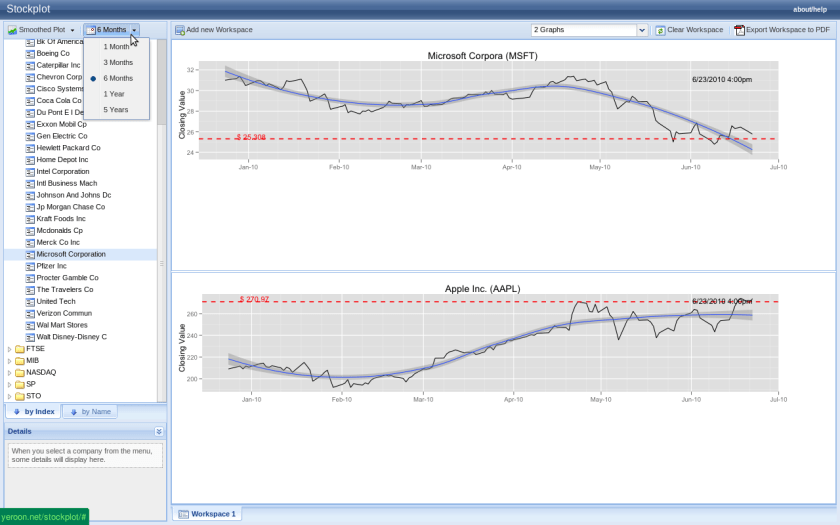
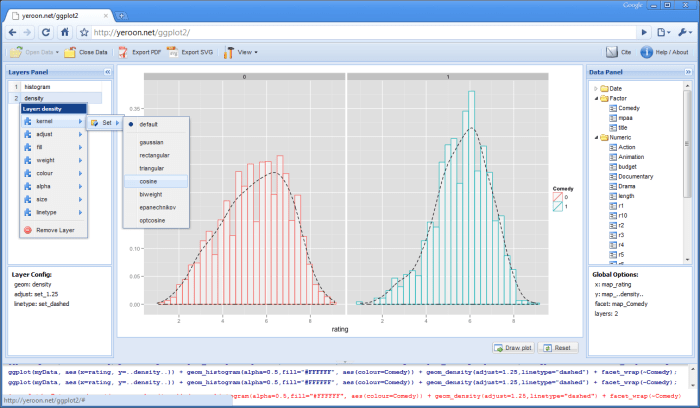
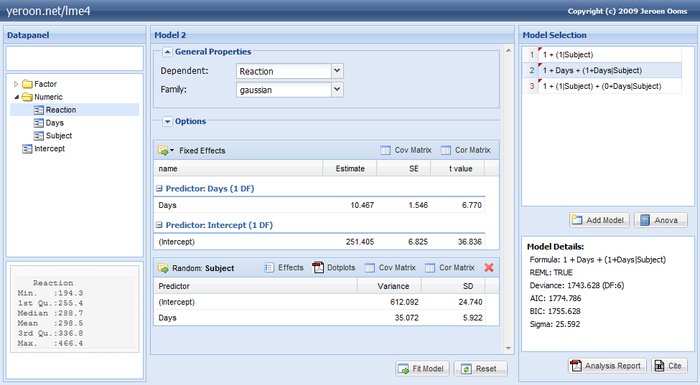
Here are some fabulous applications at http://yeroon.net – if you are in the field of data and / or analytics you should try and dekko this site- it is created by UCLA’s department of statistics.

You can create stockplots ( something similar to based to Yahoo and Google finance which I have covered earlier)

or create ggplot visualizations

or create a linear model

Just using a browser to upload the dataset and thats all the hard/soft ware you need .

Note the background uses R. It would be interesting if companies like Revolution R, SAS and SPSS can do in this browser based computing ( maybe charge like Amazon Ec2 apis)

Kudos and credits to http://www.stat.ucla.edu/~jeroen/

Certifications in Analytics and Business Intelligence

I sometimes get a chat message on Twitter/ Facebook asking for help on some specific data issue. More often than not it is something like – How do I get started in BI/BA /Data stuff. So here is a list of certifications which I think are quite nice as beginning points or even CV multipliers.

[tweetmeme=”Decisionstats”]

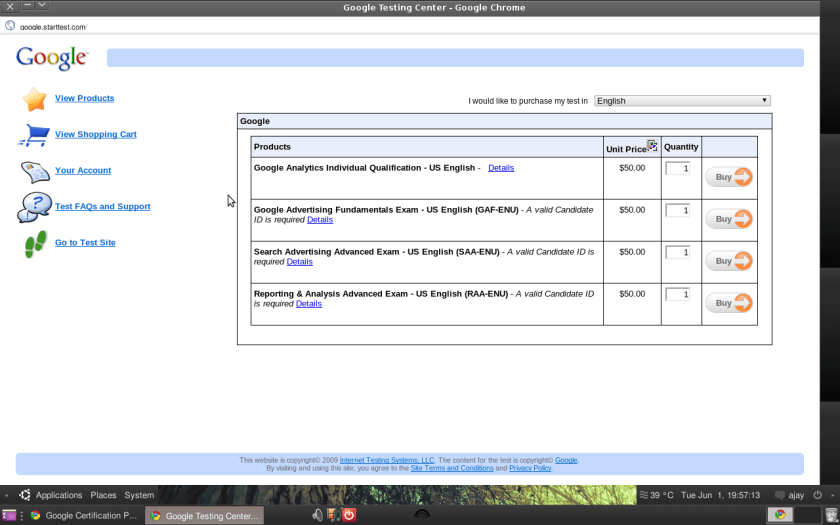
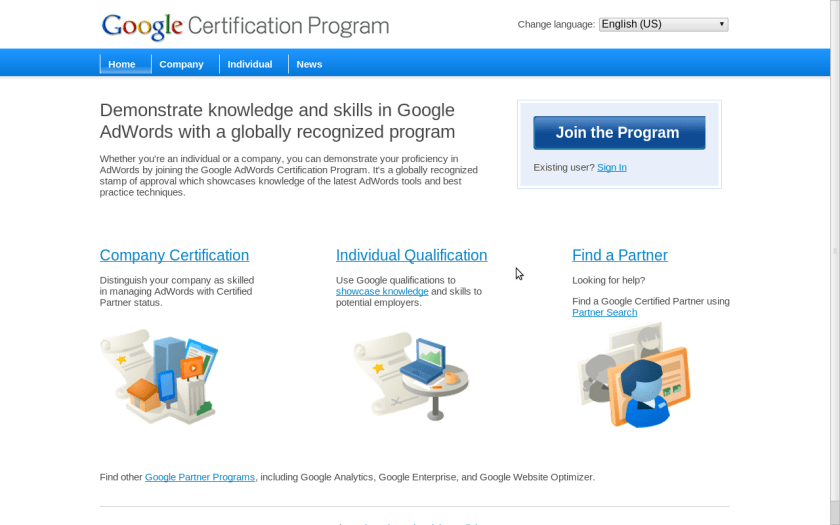
1) Google’s Certifications

http://www.google.com/intl/en/adwords/professionals/

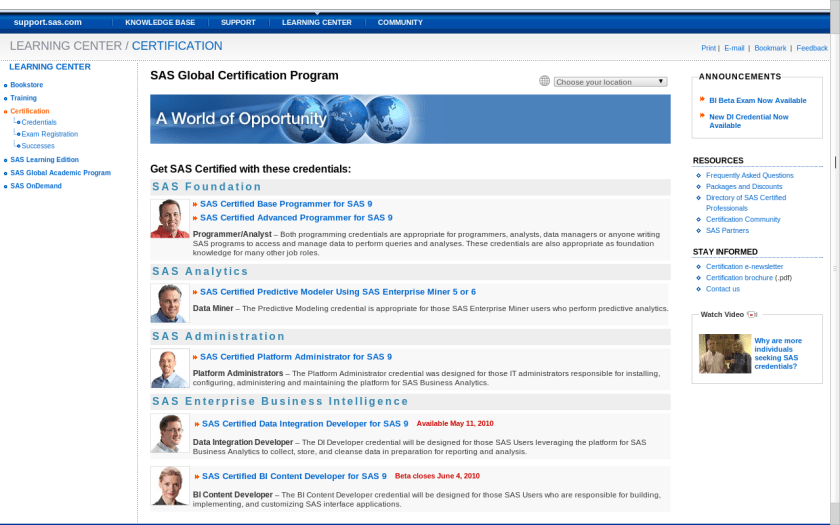
2) SAS Certifications

Quite well established and easily one of the best structured certification programs in the industry.

http://support.sas.com/certify/index.html

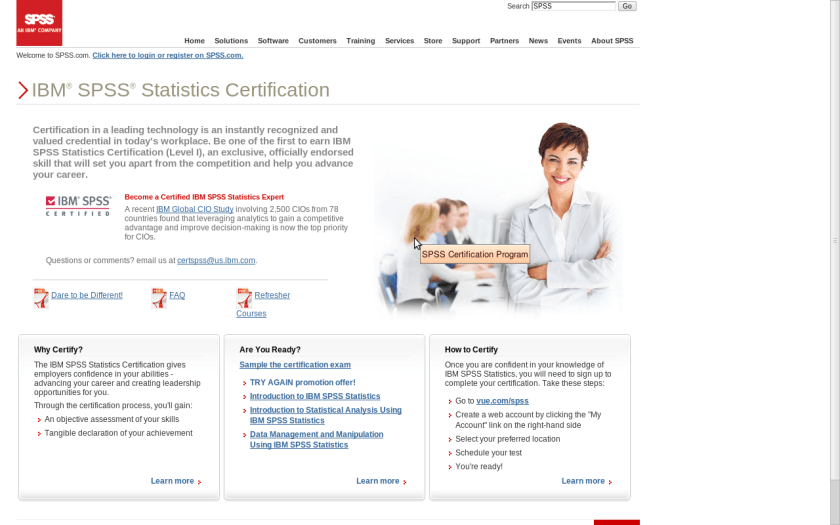
3) SPSS

The SPSS certification began last year and it helps provide a valuable skill set for both your practice as well as your resume. Also useful to have a second skill set apart from SAS in terms of statistical software.

http://www.spss.com/certification/

At this point I would like you to pause and think if the above certifications are useful or cost  effective for you as they are broadly general qualifications in statistical platforms as well as in applying them for the web analytics ( a key area for business analytics).

For more specialized certifications here are some more-

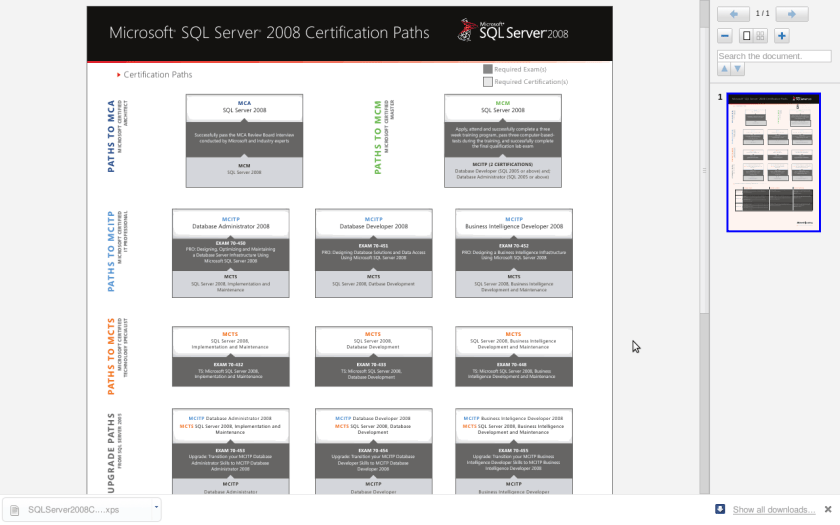
1) Microsoft SQL Server

http://www.microsoft.com/learning/en/us/certification/cert-sql-server.aspx

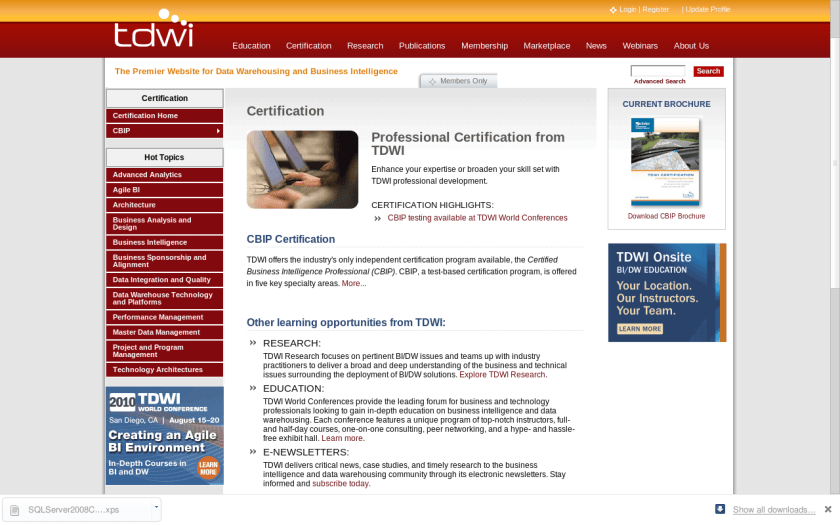
2) TDWI Certification

http://tdwi.org/pages/certification/index.aspx

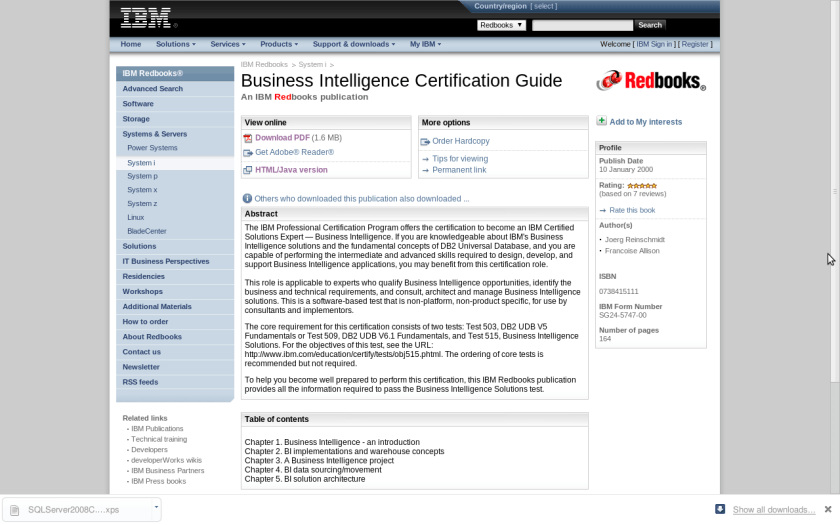
3) IBM

Not sure how updated these are so caveat emptor!

http://www.redbooks.ibm.com/abstracts/sg245747.html

If you are knowledgeable about IBM’s Business Intelligence solutions and the fundamental concepts of DB2 Universal Database, and you are capable of performing the intermediate and advanced skills required to design, develop, and support Business Intelligence applications

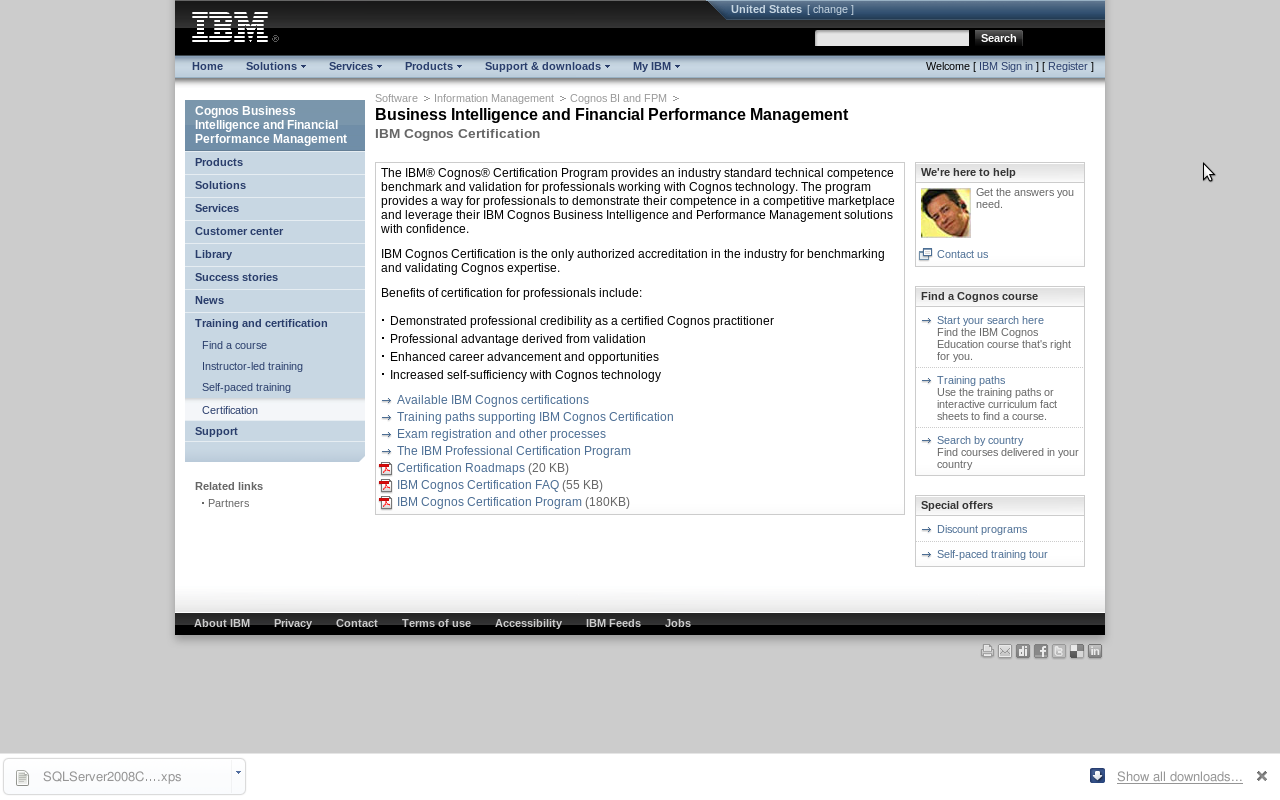
Also IBM Cognos Certifications

http://www-01.ibm.com/software/data/education/cognos-cert.html

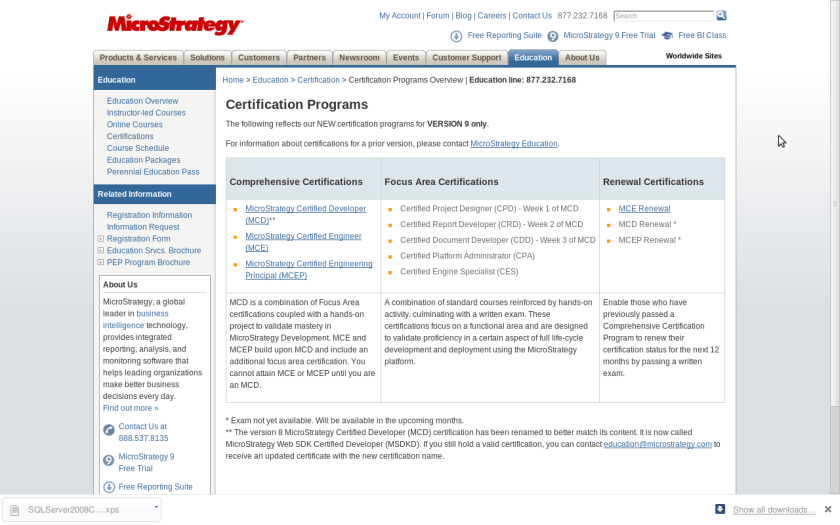
4) MicroStrategy

http://www.microstrategy.com/education/Certification/

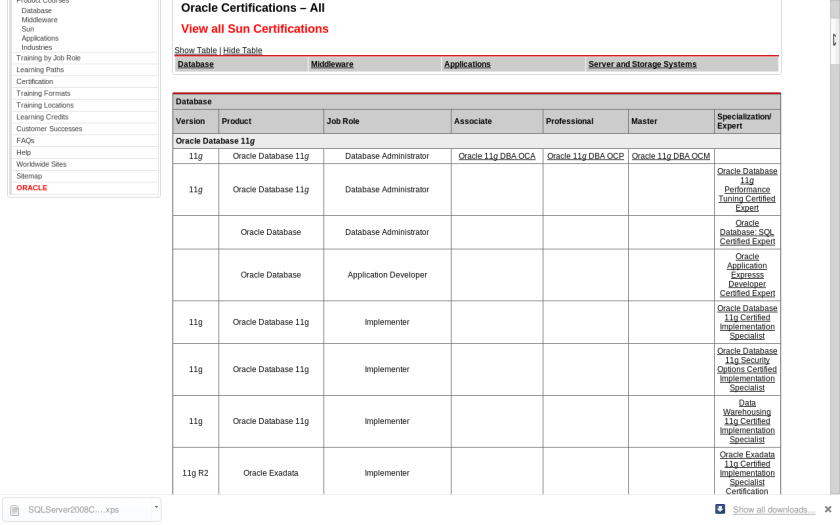
5) Oracle

Included the all new Sun Certifications as well.

http://certification.oracle.com/

and http://blogs.oracle.com/certification/

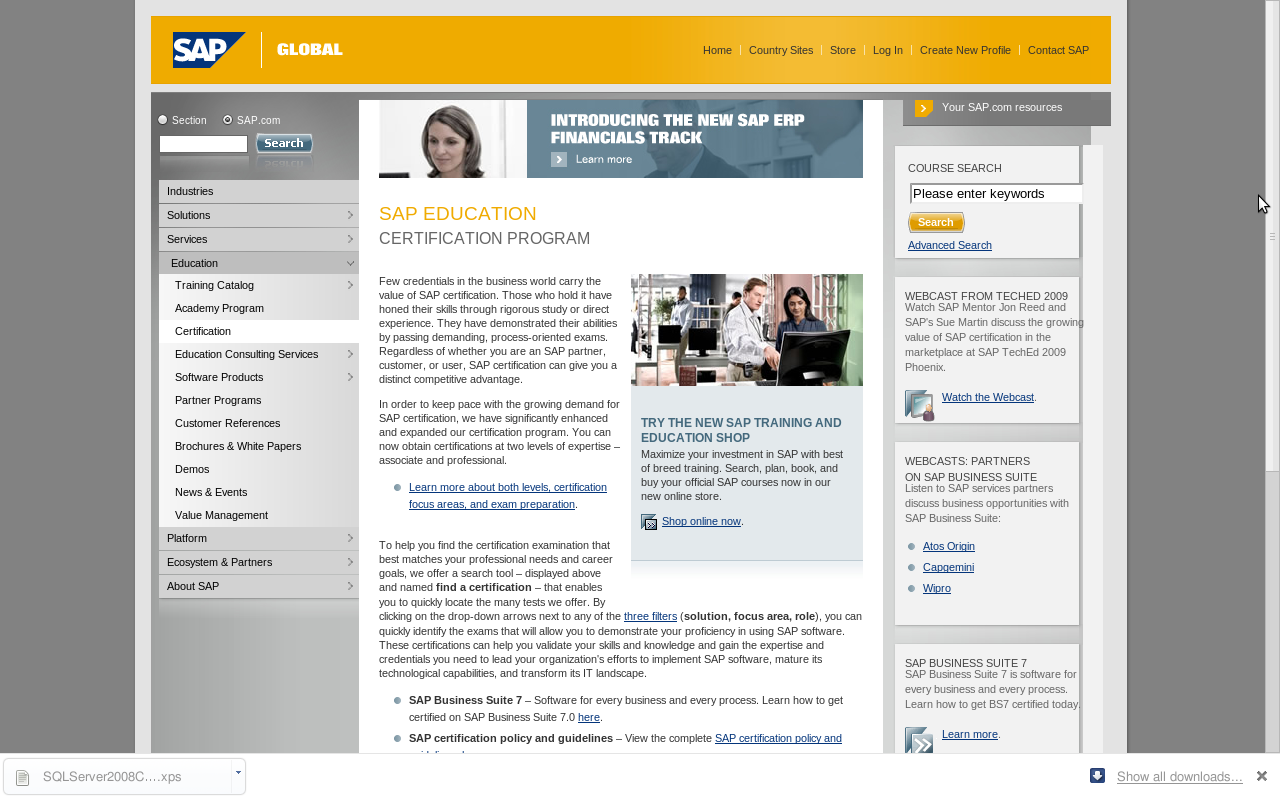
6) SAP Certifications

http://www.sap.com/services/education/certification/index.epx

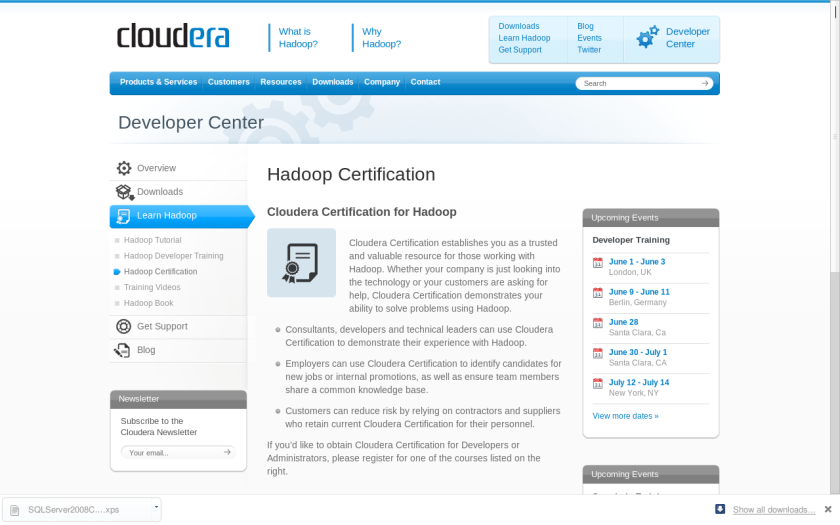
7) Cloudera’s Hadoop Certification

http://www.cloudera.com/developers/learn-hadoop/hadoop-certification/

These are some Business Intelligence and Business Analytics related certifications that I assembled in a list. Many other programs were either too software development specific or did not have a certification for general usage (like many R trainings or company tool specific trainings). Please feel free to add in any suggestions.

Color of Statistics

A short analysis on the ASA Directory at http://www.amstat.org/membership/directory/search.cfm

and http://www.amstat.org/minorities/index.cfm

There are 15904 Total Members out of which if broken done by Race/Color

  • 172 Minority Statisticians
  • 68 Black
  • 12 Hispanic (this looks too less so I suspect the directory is incomplete)

Even optimistically the color of statisticians is overwhelmingly as follows (assuming that minority data is under counted by 10X- so multiplying the minority data by 10 and then taking percentage)

89 % White

4 % Black and

7% Non Black Minorities (presumably Indian, Chinese, Hispanic).

I tried to find some statistics on fresh maths/stats graduates by race but did not find some. Surely this calls for some thought ? 😉

The Top Statistical Softwares (GUI)

The list of top Statistical Softwares (GUI) is continued below. You can see the earlier post here

6. R Commander– While initially aimed at being a basic statistics GUI, the tremendous popularity of R Commander and the extensions in the form of plugins has helped make this one of the most widely used GUI. In short if you dont know ANY R, and still want to do basic descriptive stats and modeling this will come in handy- with an added script window for custom code for advanced users and extensions like that for DoE (design of experiments) and QCC (Quality Control) packages the e-plugins are a great way to extend this. I suspect the only thing holding it back is Dr Fox and the rest of R Core’s reluctance to fully embrace GUI as a software medium. You can read his earlier interview here-https://decisionstats.wordpress.com/2009/09/14/interview-professor-john-fox-creator-r-commander/

Technically it is possible to convert just about any package to a GUI menu in R Commander using the e-plugins.

7. SAS GUIs

Enterprise (Guide)

SAS Enterprise Guide was the higher end (and higher priced solution) to enhanced editor’s lack of menu driven commands. It works but many people I know prefer the text editor just as well.


The Enterprise Miner is a separate software and works more like Red R or SPSS Modeler does. Again EM is one of the major DM softwares out there, but the similarity in names is a bit confusing.

Even the Base SAS Enhanced Editor does have some menus for importing data, or querying etc, but it is rarely confused for being a GUI.

8. Oracle Data Miner and Knime

I like both the ODM and Knime but I find the lack of advertising or promotional support puzzling. Both these softwares can do well to combine technical excellence with some marketing. And since they are both free you can check them out yourself here

Oracle Data Mining

You can download it here-(note- the Oracle Web Site itself is a bit aging 🙂 )

http://www.oracle.com/technology/products/bi/odm/odminer.html

Knime is the open source GUI which can be found here-

http://www.knime.org/introduction/features

9. RAwkard

Another R GUI- it stands out on the comprehensive ways you can customize your code in menus rather than writing all or learning by rote the syntax.

From http://sourceforge.net/apps/mediawiki/rkward/index.php?title=Main_Page

you can see it below. I recommend this GUI over other GUIs especially if you are new to R and do more data visualization which needs custom graphics.

10. Red R and R JGR/ Deducer

Red R and RJGR/Deducer are both up and coming GUIs for R. While REd R is R version for Enterprise Miner, Deducer is coming up with a new GUI for ggplot the powerful graphics package in R.

Some GUIs excluded from this list are – Statistica, MatLab, EViews(?) because I dont really work with them, and thought it best to turn them over to someone who knows them better.

Hope this list of GUIs helps you- note most of the softwares can be learnt within a quick hour and two if you know basic software skills/data manipulation so going through the GUI list is a faster way of adding value to your resume/knowledge base as well.


Top 10 Graphical User Interfaces in Statistical Software

Here is a list of top 10 GUIs in Statistical Software. The overall criterion is based on-

  • User Friendly Nature for a New User to begin click and point and learn.
  • Cleanliness of Automated Code or Log generated.
  • Practical application in consulting and corporate world.
  • Cost and Ease of Ownership (including purchase,install,training,maintainability,renewal)
  • Aesthetics (or just plain pretty)

However this list is not in order of ranking- ( as beauty (of GUI) lies in eyes of the beholder). For a list of top 10 GUI in R language only please see –

https://rforanalytics.wordpress.com/graphical-user-interfaces-for-r/

This is only a GUI based list so it excludes notable command line or text editor submit commands based softwares which are also very powerful and user friendly.

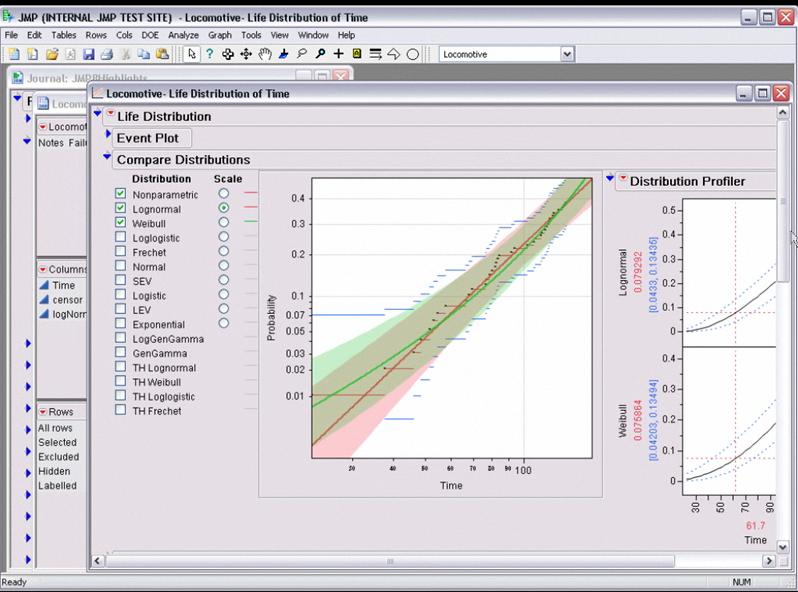
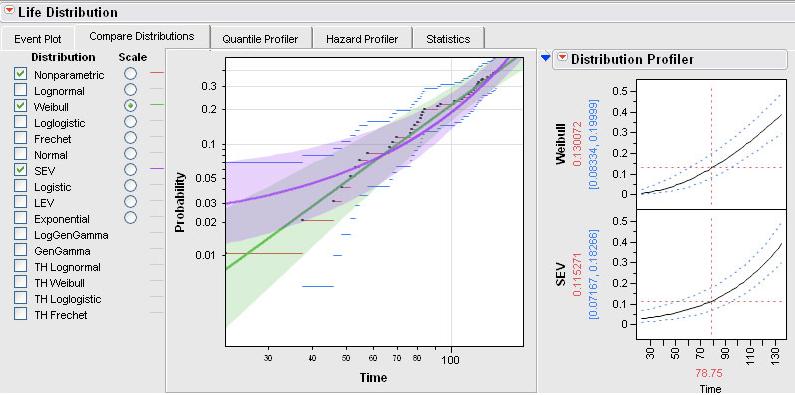
  1. JMP –

While critics of SAS Institute often complain on the premium pricing of the basic model (especially AFTER the entry of another SAS language software WPS from http://www.teamwpc.co.uk/products/wps – they should try out JMP from http://jmp.com – it has a 1 month free evaluation, is much less expensive and the GUI makes it very very easy to do basic statistical analysis and testing. The learning curve is surprisingly fast to pick it up (as it should be for well designed interfaces) and it allows for very good quality output graphics as well.

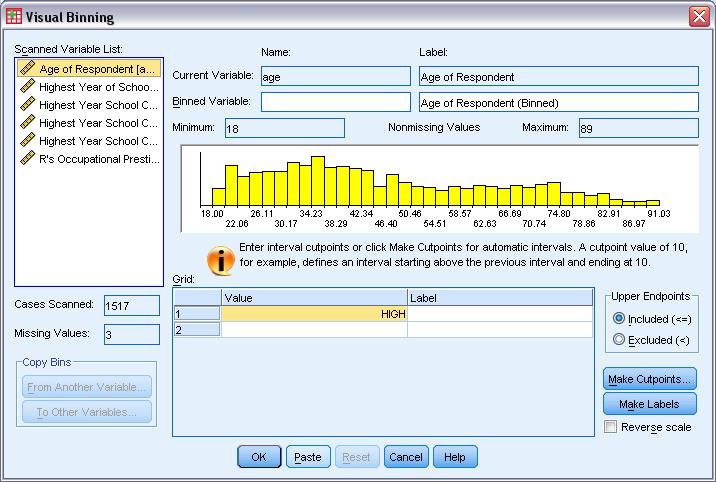
2.SPSS

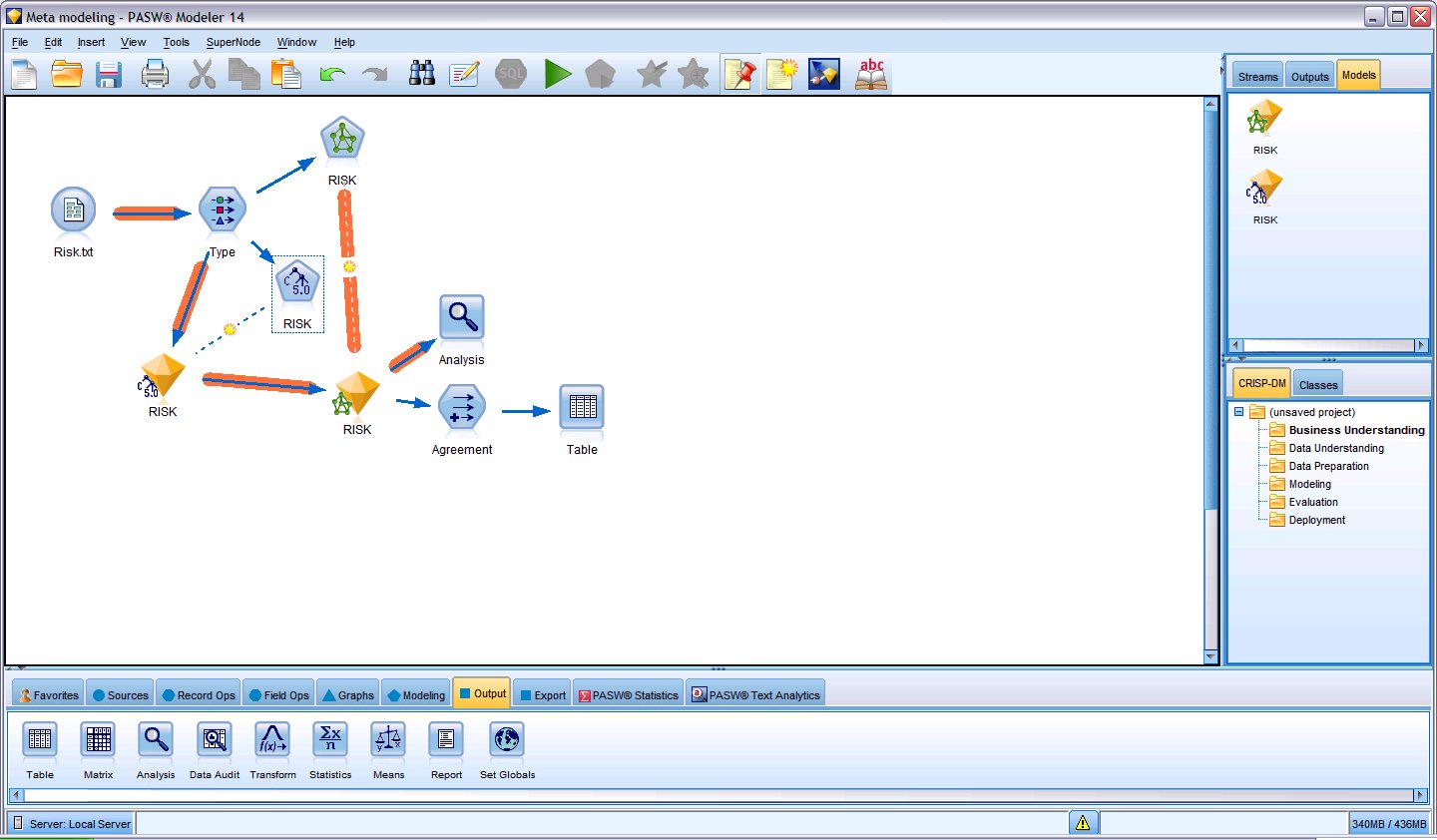
The original GUI in this class of softwares- it has now expanded to a big portfolio of products. However SPSS 18 is nice with the increasing focus on Python and an early adoptee of R compatible interfaces, SPSS does offer a much affordable solution as well with a free evaluation. See especially http://www.spss.com/statistics/ and http://www.spss.com/software/modeling/modeler-pro/

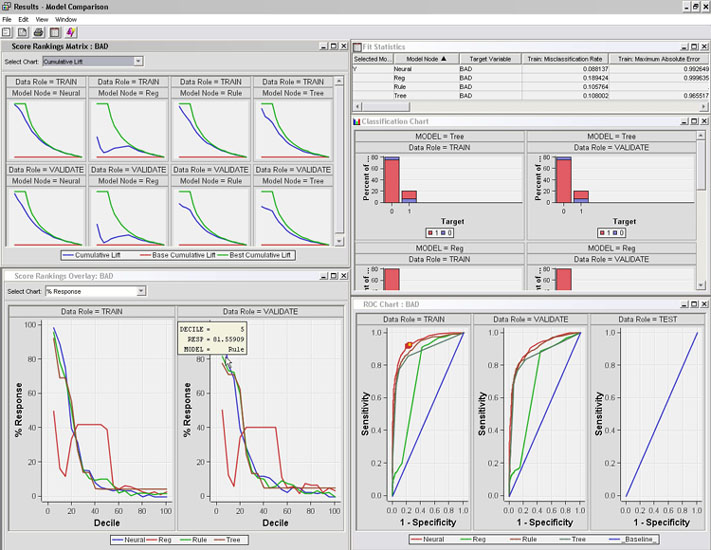
the screenshot here is of SPSS Modeler

3. WPS

While it offers an alternative to Base SAS and SAS /Access software , I really like the affordability (1 Month Free Evaluation and overall lower cost especially for multiple CPU servers ), speed (on the desktop but not on the IBM OS version ) and the intuitive design as well as extensibility of the Workbench. It may look like an integrated development environment and not a proper GUI, but with all the menu features it does qualify as a GUI in my opinion. Continue reading “Top 10 Graphical User Interfaces in Statistical Software”

A Software Called Rattle

One of my favorite software GUI’s- here is a paper talking of it, it was published in R Journal and describes Dr Graham William’s work in it. If you are software user or creator it is worth a dekko in terms of adding analytical extensions for your platform of business.