for A few songs more

Hacking climate change is more of a data challenge as we try and backtest and forecast our models. Unfortunately the science is hostage to the politics, but sharing data openly, including cutting edge results without worrying on ancient national interests would be the first step in a planet wide effort to save the planet.
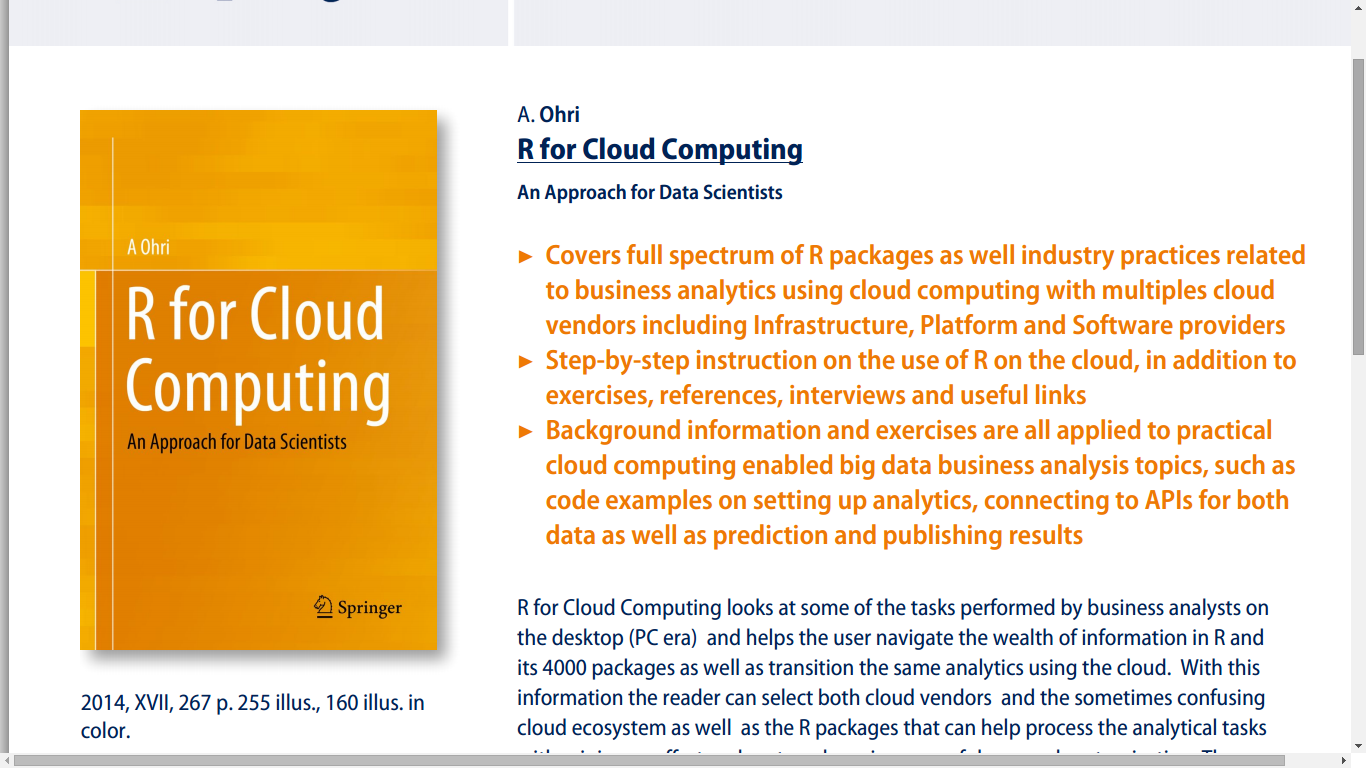
My second book – R for Cloud Computing : An Approach for Data Scientists is now ready for sale ( ebook). Softcover should be available within a month. Some of you have already booked an online review copy. It has taken me 2 years to write this book, and as always I accept all feedback on how to be a better writer.
I would like to especially thank Hannah Bracken of Springer Publishing for this.
and I dedicate this book to my 7 year son Kush.
http://www.springer.com/statistics/computational+statistics/book/978-1-4939-1701-3
“Everything that is good in me, come from your love, Kush“
So I wanted to really find out how cheap the cloud was- but I got confused by the 23 kinds of instances than Amazon has http://aws.amazon.com/ec2/pricing/ and 15 kinds of instances at https://developers.google.com/compute/pricing.
or whether there is any price collusion between them 😉
Now Amazon has spot pricing so I can bid for prices as well (http://aws.amazon.com/ec2/purchasing-options/spot-instances/ ) and upto 60% off for reserved instances (http://aws.amazon.com/ec2/purchasing-options/reserved-instances/) but charges $2 for dedicated instances (which are not dedicated but pay as you go)
Google has sustained discounts ( will not offer Windows on the cloud though!)
The table below describes the discount at each usage level. These discounts apply for all instance types.
| Usage Level (% of month) | % at which incremental is charged | Example incremental rate (USD/per hour) for an n1-standard-1 instance |
|---|---|---|
| 0%-25% | 100% of base rate | $0.07 |
| 25%-50% | 80% of base rate | $0.056 |
| 50%-75% | 60% of base rate | $0.042 |
| 75%-100% | 40% of base rate | $0.028 |
Anyways- I tried to create this simple table to help me with it- after all hard disks are cheap- it is memory I want on the cloud !
Or maybe I am wrong and the cloud is not so cheap- or its just too complicated for someone to build a pricing calculator that can take in prices from all providers (Amazon, Azure, Google Compute) and show us the money!
| vCPU | RAM(GiB) | $ per Hour | Type -Linux Usage | Provider | Notes | |
| t2.micro | 1 | 1 | $0.01 | General Purpose – Current Generation | Amazon (North Virginia) | Amazon also has spot instances |
| t2.small | 1 | 2 | $0.03 | General Purpose – Current Generation | Amazon (North Virginia) | that can lower prices |
| t2.medium | 2 | 4 | $0.05 | General Purpose – Current Generation | Amazon (North Virginia) | |
| m3.medium | 1 | 3.75 | $0.07 | General Purpose – Current Generation | Amazon (North Virginia) | |
| m3.large | 2 | 7.5 | $0.14 | General Purpose – Current Generation | Amazon (North Virginia) | |
| m3.xlarge | 4 | 15 | $0.28 | General Purpose – Current Generation | Amazon (North Virginia) | |
| m3.2xlarge | 8 | 30 | $0.56 | General Purpose – Current Generation | Amazon (North Virginia) | |
| c3.large | 2 | 3.75 | $0.11 | Compute Optimized – Current Generation | Amazon (North Virginia) | |
| c3.xlarge | 4 | 7.5 | $0.21 | Compute Optimized – Current Generation | Amazon (North Virginia) | |
| c3.2xlarge | 8 | 15 | $0.42 | Compute Optimized – Current Generation | Amazon (North Virginia) | |
| c3.4xlarge | 16 | 30 | $0.84 | Compute Optimized – Current Generation | Amazon (North Virginia) | |
| c3.8xlarge | 32 | 60 | $1.68 | Compute Optimized – Current Generation | Amazon (North Virginia) | |
| g2.2xlarge | 8 | 15 | $0.65 | GPU Instances – Current Generation | Amazon (North Virginia) | |
| r3.large | 2 | 15 | $0.18 | Memory Optimized – Current Generation | Amazon (North Virginia) | |
| r3.xlarge | 4 | 30.5 | $0.35 | Memory Optimized – Current Generation | Amazon (North Virginia) | |
| r3.2xlarge | 8 | 61 | $0.70 | Memory Optimized – Current Generation | Amazon (North Virginia) | |
| r3.4xlarge | 16 | 122 | $1.40 | Memory Optimized – Current Generation | Amazon (North Virginia) | |
| r3.8xlarge | 32 | 244 | $2.80 | Memory Optimized – Current Generation | Amazon (North Virginia) | |
| i2.xlarge | 4 | 30.5 | $0.85 | Storage Optimized – Current Generation | Amazon (North Virginia) | |
| i2.2xlarge | 8 | 61 | $1.71 | Storage Optimized – Current Generation | Amazon (North Virginia) | |
| i2.4xlarge | 16 | 122 | $3.41 | Storage Optimized – Current Generation | Amazon (North Virginia) | |
| i2.8xlarge | 32 | 244 | $6.82 | Storage Optimized – Current Generation | Amazon (North Virginia) | |
| hs1.8xlarge | 16 | 117 | $4.60 | Storage Optimized – Current Generation | Amazon (North Virginia) | |
| n1-standard-1 | 1 | 3.75 | $0.07 | Standard | Google -US | Google charges per minute |
| n1-standard-2 | 2 | 7.5 | $0.14 | Standard | Google -US | of usage (subject to minimum of 10 minutes) |
| n1-standard-4 | 4 | 15 | $0.28 | Standard | Google -US | |
| n1-standard-8 | 8 | 30 | $0.56 | Standard | Google -US | |
| n1-standard-16 | 16 | 60 | $1.12 | Standard | Google -US | |
| n1-highmem-2 | 2 | 13 | $0.16 | High Memory | Google -US | |
| n1-highmem-4 | 4 | 26 | $0.33 | High Memory | Google -US | |
| n1-highmem-8 | 8 | 52 | $0.66 | High Memory | Google -US | |
| n1-highmem-16 | 16 | 104 | $1.31 | High Memory | Google -US | |
| n1-highcpu-2 | 2 | 1.8 | $0.09 | High CPU | Google -US | |
| n1-highcpu-4 | 4 | 3.6 | $0.18 | High CPU | Google -US | |
| n1-highcpu-8 | 8 | 7.2 | $0.35 | High CPU | Google -US | |
| n1-highcpu-16 | 16 | 14.4 | $0.70 | High CPU | Google -US | |
| f1-micro | 1 | 0.6 | $0.01 | Shared Core | Google -US | |
| g1-small | 1 | 1.7 | $0.04 | Shared Core | Google -US |
From naming the algorithm after himself ( PageRank ?) to forsaking his professors at Stanford ( who legally own the rights to many intellectual property), to first learning under Eric Schmidt and then pushing him out on the pretense of a political appointment to never came, to the era of silent cooperation with the US Government, to collecting a lot of data by assessing the risk of litigation (especially mobile), and to push intellectual property rights between open source and patent rights, to massive expensive lobbying and now even sidelining his brother in arms- Larry Page has emerged as the most ruthless combination of business savvy and formidable technological skills since Bill Gates.
He now owns a representative sample of nearly all the data on video (Youtube) , email (Gmail), website analytics ( Google Analytics), search engine (Google.com), advertising clicks ( Adwords and Adsense), a majority of mobile phones (Android).
And he wants more. To collect data from your thermostat. Your glasses. His government will not file an anti trust case because of national security. As an extension of US foreign policy, he will lead protests against Chinese hackers, censorship and even abandon the market than comply with Chinese Law, but he will gladly pay fines and delete links to comply with European Law.
There are ways to make money that are not evil. But they do not teach what is evil or not, at Stanford. Not even to dropouts.

What is information asymmetry?
information asymmetry deals with the study of decisions in transactions where one party has more or better information than the other. This creates an imbalance of power in transactions which can sometimes cause the transactions to go awry, a kind of market failure in the worst case. Examples of this problem are adverse selection,[1] moral hazard, and information monopoly
Most commonly, information asymmetries are studied in the context of principal–agent problems. Information asymmetry causes misinforming and is essential in every communication process
Adverse selection, anti-selection, or negative selection refers to a market process in which undesired results occur when buyers and sellers have asymmetric information (access to different information); the “bad” products or services are more likely to be selected.
The principal–agent problem or agency dilemma occurs when one person or entity (the “agent“) is able to make decisions that impact, or on behalf of, another person or entity: the “principal“. The dilemma exists because sometimes the agent is motivated to act in his own best interests rather than those of the principal.
Monopolies of knowledge arise when ruling classes maintain their political power through their control of key communications technologies.[3] An example of this occurs in ancient Egypt where a complex writing system conferred a monopoly of knowledge on literate priests and scribes.

People who enable information asymmetry are corrupted people, misled by their own greed and agent-employees in decisions that run counter to the principles when they founded their corporation.
Do you think information asymmetry is evil? Or do you think we should jump on the bandwagon and play the game. Click those ads, while we share your data with the government!
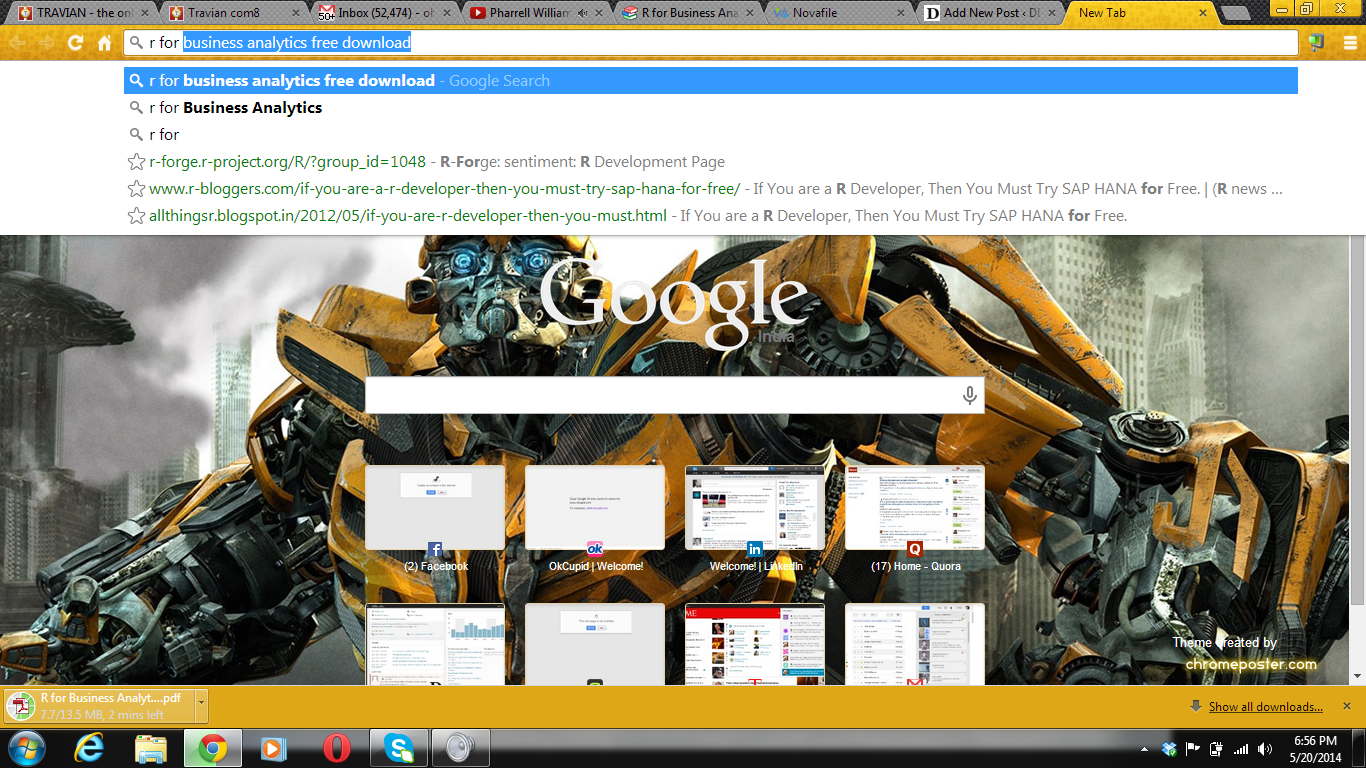
Add the words- free download and search engines will show you all the links for the download of the copyrighted material .
Now why would anyone want to use the word “free download” . Unless search engines come up with a better filter to commonly used keywords for copyright infringement- this loop hole will stay.
Step 1
Use the chrome browser for convenient searching of “name of copyrighted material” + “free download”
Step 2
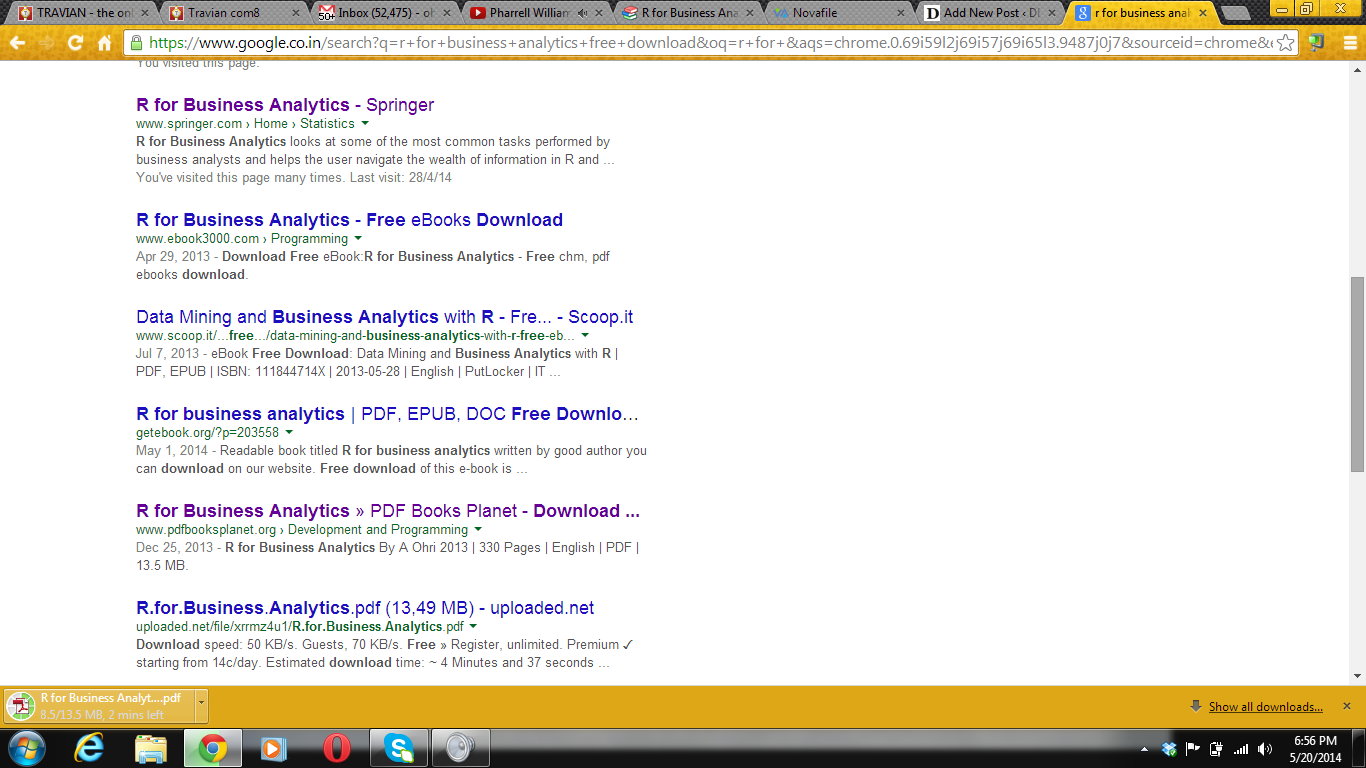
Scroll down page of Google Search Results
Step 3
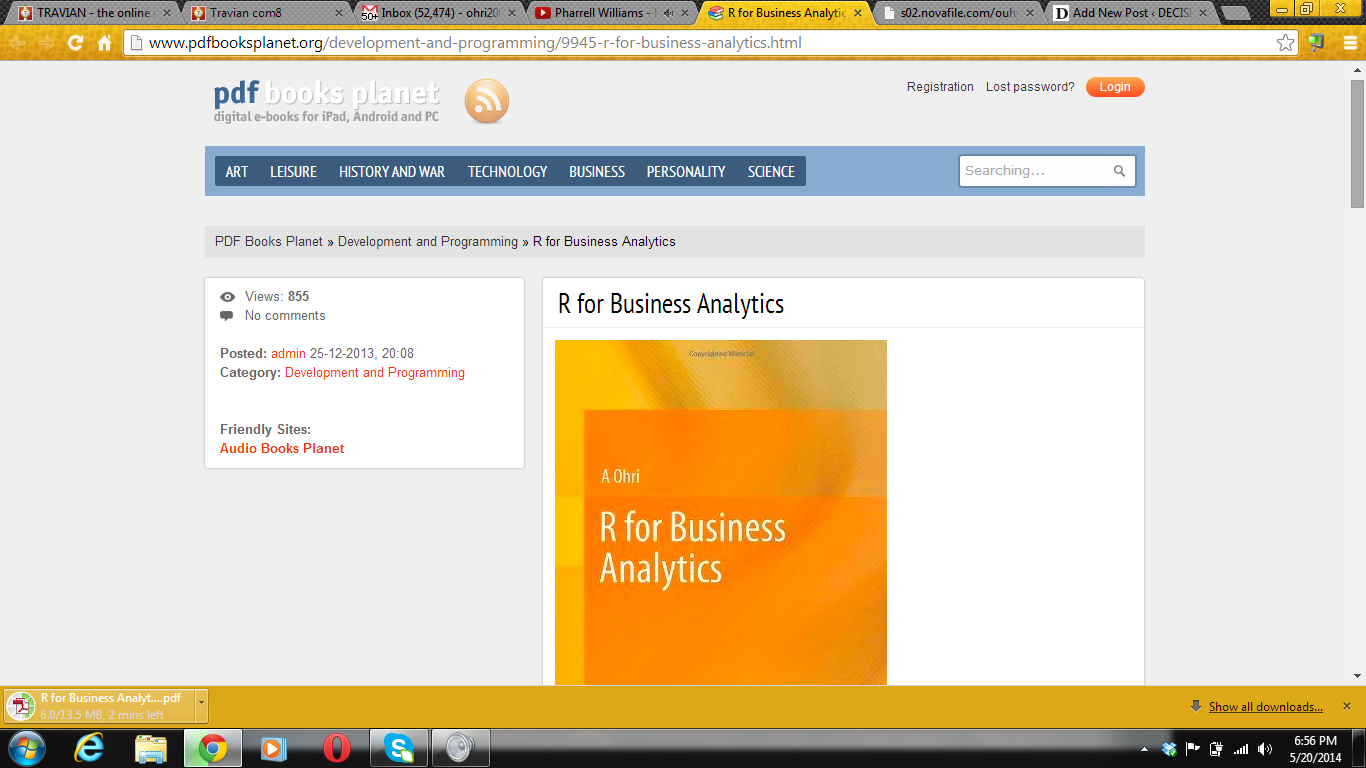
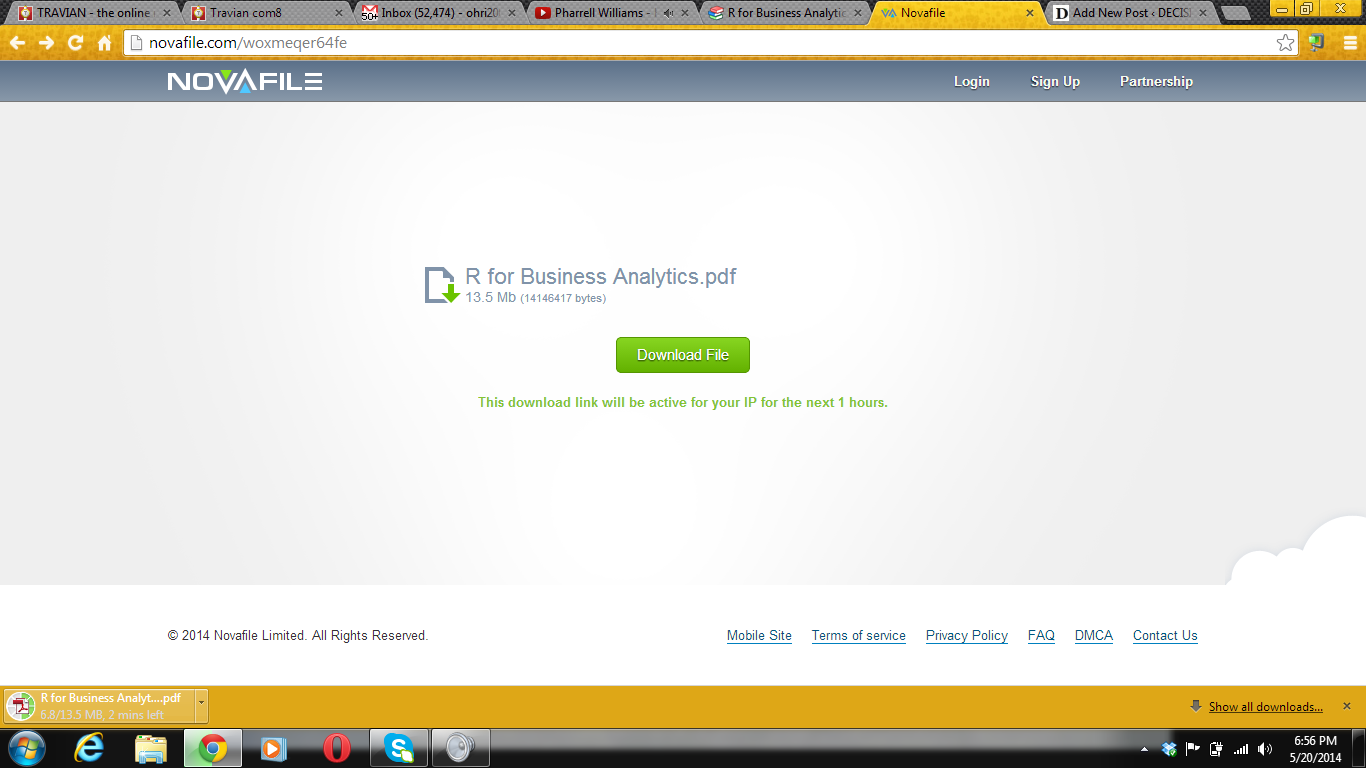
Download using whatever that particular website does
Step 4
Dont be Evil. Yup. That’s my friends
—signed
a
Step 5
Use Image Search to write blog post ruing your poverty

