CommeRcial R- Integration in software

Some updates to R on the commercial side.

Revolution Computing is apparently now renamed Revolution Analytics. Hopefully this and the GUI development will help pay more focused attention on working in R in a mainstream office situation. I am still waiting for David Smith’s cheery hey-guys-we-changed-again blog post though at a new site called inside-r.org/ or his old blog site at blog.revolution-computing.com

They probably need to hire more people now – Curt Monash, noted all-things-data software guru has the inside dope here

Techworld writes more here at http://www.techworld.com.au/article/345288/startup_wants_r_alternative_ibm_sas

The company’s software is priced “aggressively” versus IBM and SAS. A single supported workstation costs $2,000 for an annual subscription. Pricing for server-based licenses varies depending on the implementation.

But Revolution Analytics faces a tough challenge from those larger vendors, as well as the likes of XLSolutions, which offers R training and a competing software package, R-Plus.

SPSS though continues to integrate R solidly and also march ahead with Python (which is likely to be the next gen in statistical programming if it keeps up) http://insideout.spss.com/

With the release of Version 18 of IBM SPSS Statistics and the Developer product, easy-to-install versions of the Python and R materials are posted.  In particular, look for the R Essentials link on the main page or from the Plugins page.  It installs the R Plugin, the correct version of R, and a bunch of example R integrations as bundles.  It’s much easier to get going with this now.

Netezza , a business intelligence vendor promises more integration and even a training in R based analytics here

R Modeling for TwinFin i-Class

Objective
Learn how to use TwinFin i-Class for scaling up the R language.

Description
In this class, you’ll learn how to use R to create models using huge data and how to create R algorithms that exploit our asymmetric massively parallel (AMPP®) architecture. Netezza has seamlessly integrated with R to offload the heavy lifting of the computational processing on TwinFin i-Class. This results in higher performance and increased scalability for R. Sign up for this class to learn how to take advantage of TwinFin i-Class for your R modeling. Topics include:

  1. R CRAN package installation on TwinFin i-Class
  2. Creating models using R on TwinFin i-Class
  3. Creating R algorithms for TwinFin i-Class

Format
Hands-on classroom lecture, lab exercises, tour

Audience
Knowledgeable R users – modelers, analytic developers, data miners

Course Length
0.5 day: 12pm-4pm Wednesday, June 23 OR 8am-12pm Thursday, June 24 OR 1pm-5pm Thursday, June 24, 2010

Delivery
Enzee Universe 2010, Boston, MA

Student Prerequisites

  • Working knowledge of R and parallel computing
  • Have analytic, compute-intensive challenges
  • Understanding of data mining and analytics”

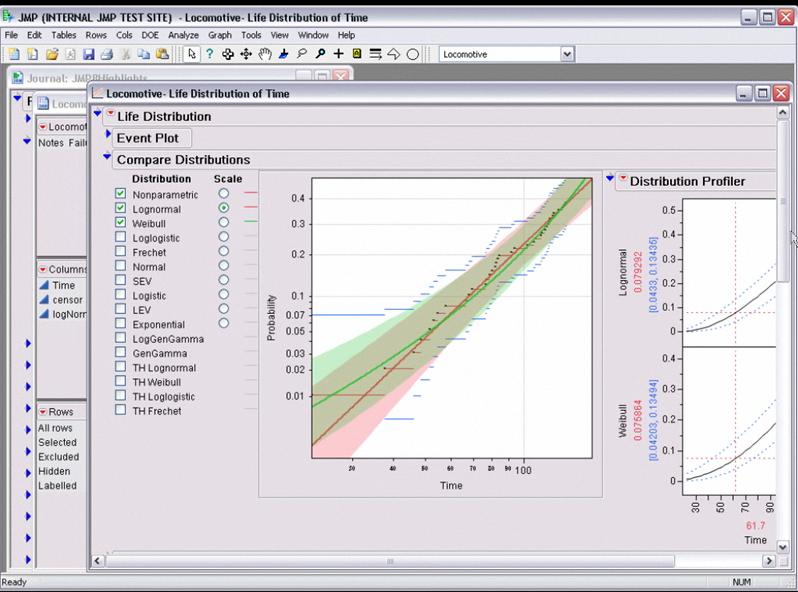
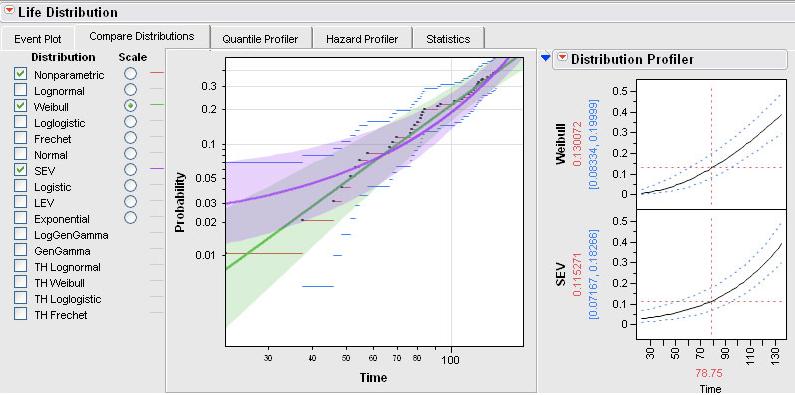
My favourite GUI in stats , JMP (also from SAS Institute) is going to deploy R integration as soon as this September – Read more here- http://www.sas.com/news/preleases/JMP-to-R-integrationSGF10.html
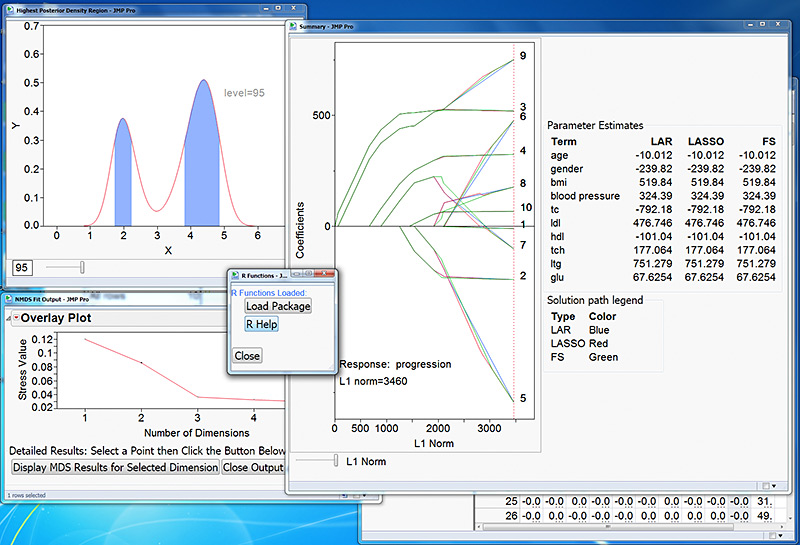
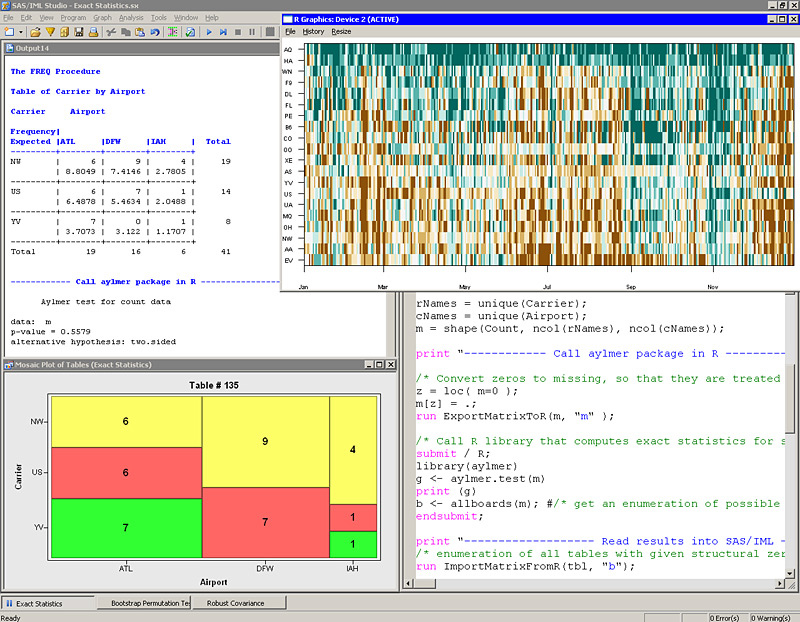
Also SAS-IML studio is not lagging behind

The next release of SAS/IML will extend R integration to the server environment – enabling users to deploy results in batch mode and access R from SAS on additional platforms, such as UNIX and Linux.

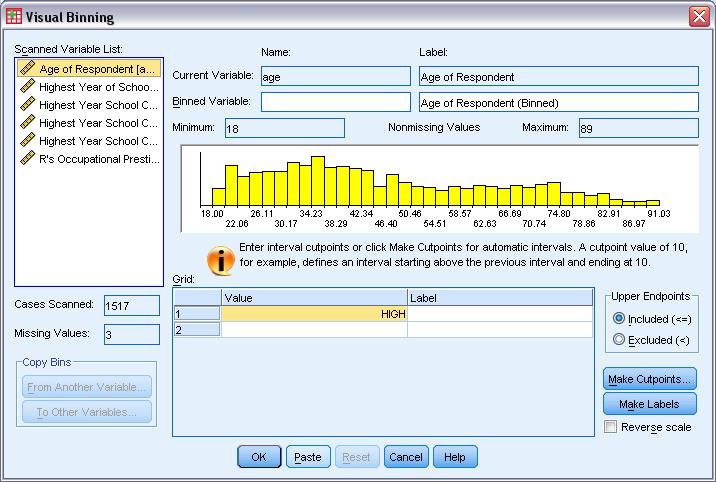
I am kind of happy at one of the best GUI’s integrating with one of the most innovative stats softwares. It’s like two of your best friends getting married. (see screenshots of the softwares)

All in all- R as a platform making good overall progress from all sides of the corporate software spectrum which can only be good for R developers as well as users/students.

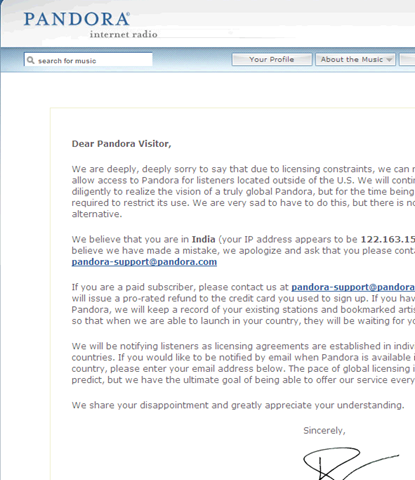
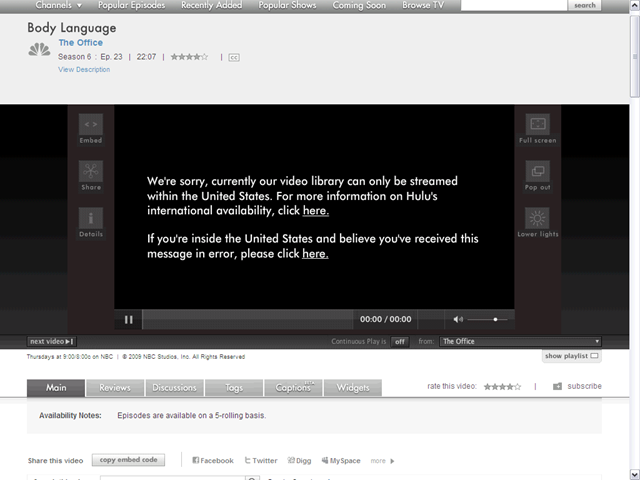
Welcome to the non US internet

image

No Music (@Pandora)

image

No TV (@Hulu)

and if you have ever complained against Comcast or ATT for being slow- trust me the net slows even more in this side of the town.

Maybe we should ask the US to stop censoring (hulu,pandora etc) the internet  :p

Top 10 Graphical User Interfaces in Statistical Software

Here is a list of top 10 GUIs in Statistical Software. The overall criterion is based on-

  • User Friendly Nature for a New User to begin click and point and learn.
  • Cleanliness of Automated Code or Log generated.
  • Practical application in consulting and corporate world.
  • Cost and Ease of Ownership (including purchase,install,training,maintainability,renewal)
  • Aesthetics (or just plain pretty)

However this list is not in order of ranking- ( as beauty (of GUI) lies in eyes of the beholder). For a list of top 10 GUI in R language only please see –

https://rforanalytics.wordpress.com/graphical-user-interfaces-for-r/

This is only a GUI based list so it excludes notable command line or text editor submit commands based softwares which are also very powerful and user friendly.

  1. JMP –

While critics of SAS Institute often complain on the premium pricing of the basic model (especially AFTER the entry of another SAS language software WPS from http://www.teamwpc.co.uk/products/wps – they should try out JMP from http://jmp.com – it has a 1 month free evaluation, is much less expensive and the GUI makes it very very easy to do basic statistical analysis and testing. The learning curve is surprisingly fast to pick it up (as it should be for well designed interfaces) and it allows for very good quality output graphics as well.

2.SPSS

The original GUI in this class of softwares- it has now expanded to a big portfolio of products. However SPSS 18 is nice with the increasing focus on Python and an early adoptee of R compatible interfaces, SPSS does offer a much affordable solution as well with a free evaluation. See especially http://www.spss.com/statistics/ and http://www.spss.com/software/modeling/modeler-pro/

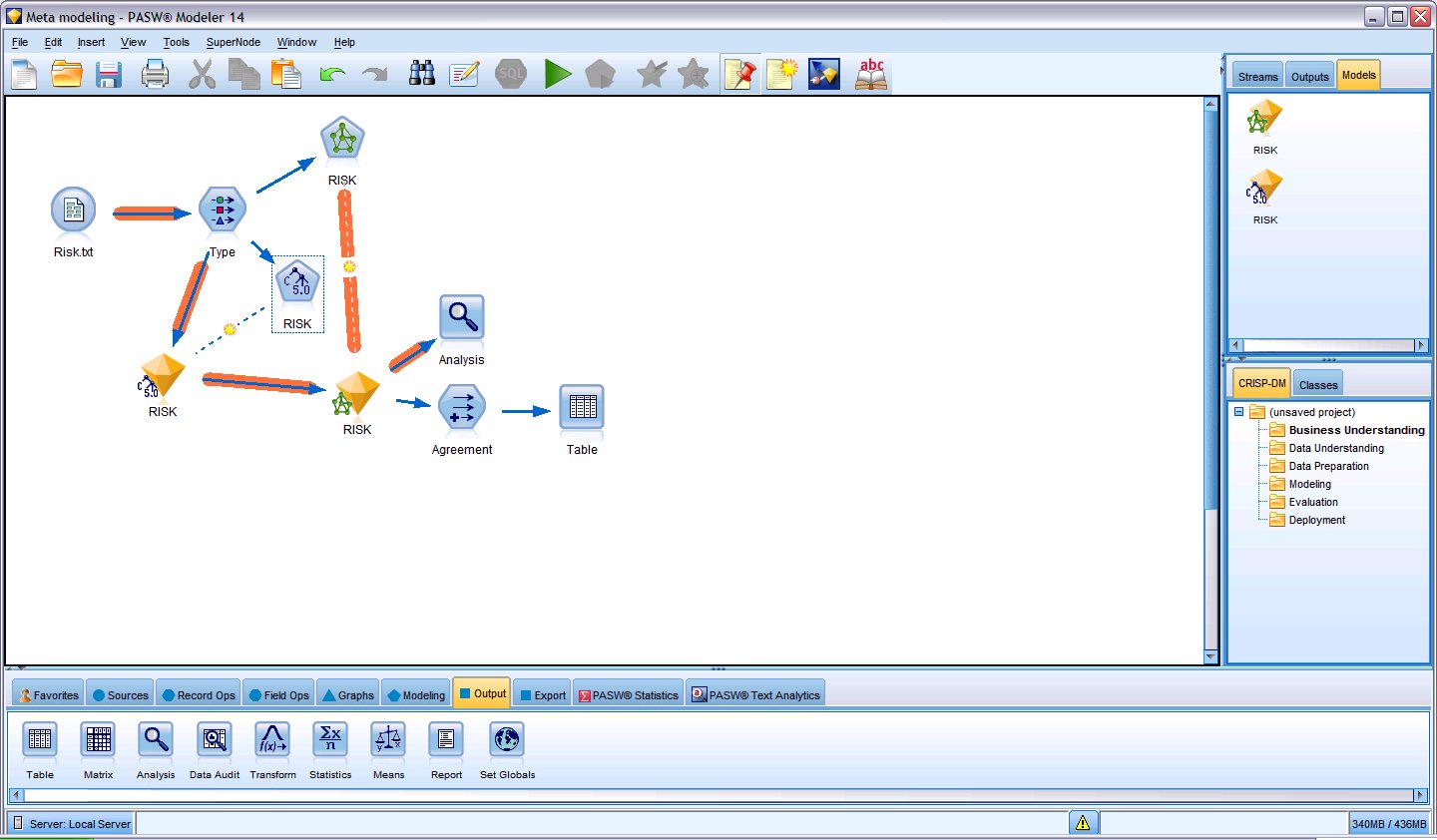
the screenshot here is of SPSS Modeler

3. WPS

While it offers an alternative to Base SAS and SAS /Access software , I really like the affordability (1 Month Free Evaluation and overall lower cost especially for multiple CPU servers ), speed (on the desktop but not on the IBM OS version ) and the intuitive design as well as extensibility of the Workbench. It may look like an integrated development environment and not a proper GUI, but with all the menu features it does qualify as a GUI in my opinion. Continue reading “Top 10 Graphical User Interfaces in Statistical Software”

Norman Nie: R GUI and More

Here is an interview from Norman Nie, SPSS Founder and CEO, REvolution Computing (R Platform).

Some notable thoughts

For example, SPSS was really among the first to deliver rich GUIs that make it easier to use by more people. This is why one of the first things you’ll see from REvolution is a GUI for R – to make R more accessible and hereby further accelerate adoption.

This is good news if executed- I have often written (in agony actually because I use it) for the need for GUIs for R. My last post on that was here. Indeed the one reason SPSS was easily adopted by business school students (like me) in India in 2001-3 was the much better GUI over SAS ‘s GUIs.

However some self delusion/ PR / cognitive dissonance seems at play at Dr Nie’s words

If you look at the last 40 years of university curriculum, SPSS – the product I helped build – has been the dominant player, even becoming the common thread uniting a diverse range of disciplines, which have in turn been applied to business. Data is ubiquitous: tools and data warehouses allow you to query a given set of data repeatedly. R does these things better than the alternatives out there; it is indeed the wave of the future.

SPSS has been a strong number 2- but it has never overtaken SAS. Part of that is SAS handles much bigger datasets much more easily than SPSS did ( and that is where R’s RAM only size can be a concern). Given the decreasing prices of RAM memory, the BIG-LM like packages, and the shift for cloud based computing(with rampable memory on demand) this can be less of an issue- but analysts generally like to have a straight way of handling bigger datasets. Indeed SAS with vertical focus and the recent social media analytics continues to innovate both itself as well as through its alliance partnerships in the Enterprise software world- and REvolution Computing would further need to tie up or sew these analytical partners especially data warehousing or BI providers to ensure R’s analytical functions can be used where there is maximum value for their usage to the corporate customer as well as the academic customer.

Part 2 of Nie’s interview should be interesting .

2010-2011 would likely see

Round 2 : Red Corner ( Nie)                             Gray Corner (Goodnight)

if

Norman Nie can truly deliver a REvolution in Computing

or else

he becomes number two again the second time around to Jim Goodnight’s software giant.

Analyzing Indian – Chinese Relationships

I was reading a couple of articles about India and China ‘s position in the existing world as well as the projected rise of power of both and the tensions inherent in that. For some one completely new to this- Indian-Chinese relationships can be summarized till today at a Governmental level as following-

1) No history of war in ancient times. The Mongols who eventually became the Mughals came to India via Afghanistan. India exported Buddhism and imported silk mainly during this era. In between, the Himalayas stood to give them a distinct culture and boundary.

2) Post 1947- Indo Chinese relationships were initially fine as they both freed themselves from colonialism. This however steadily disintegrated following border troubles leading to the 1962 war which led to loss of territory to China and a traumatic setback for Indian geo-political ambitions in Asia. The conflict defines Indian mistrust of Chinese government till today and was responsible for Indo-China skirmishes in the 1980’s.

3) India’s support for TIbet and Dalai Lama and Chinese support for Pakistan complicates any sign of allying themselves too closely. Both their respective allies have costs more than benefits for China and India- yet the traditional real politik continues. This extends to other relationships like Vietnam and Burma also.

4) Hardly any people contact. Indian and Chinese students are much more likely to meet in the United States than in each other countries. Trade tends to be import of cheap Chinese goods and export of mineral sources. Almost all higher value trade ends up being facilitated by the Western or third party companies.

5) The corruption prone Indian  democracy is more similar to the controlled Chinese communism than Western countries realize. The press in India is not that free from corporate or political pressures and China does have positive internal checks and balances for safeguarding it’s administration and governance.

6) Indian and Chinese attitudes to diplomacy and negotiation are markedly different- with India oscillating between periods of Western/Russian neo- colonialism to bouts of skepticism while China  continues a cautious yet increasingly belligerent focus on it’s own interests. Due to linguistic reasons India is more susceptible to Western influence than the Chinese.

Looking forward, as the purchasing power of the huge demographics of both countries increases they will end up with more focus of the World- and it would be tragic if they fall to the ancient roman rule of Divide and Conquer- to squander away any benefits they can get from a collective bargaining position.

Indeed if China and India can find a realistic way to end their differences and be allies they will find that this relationship can be the most profitable to each other in terms of return on diplomatic time and effort. Enabling direct people to people contact and more fraternal ties in education and socio-cultural arts could be an interesting low risk first step towards such relationships.

Interesting Data Visualization:Friendwheels

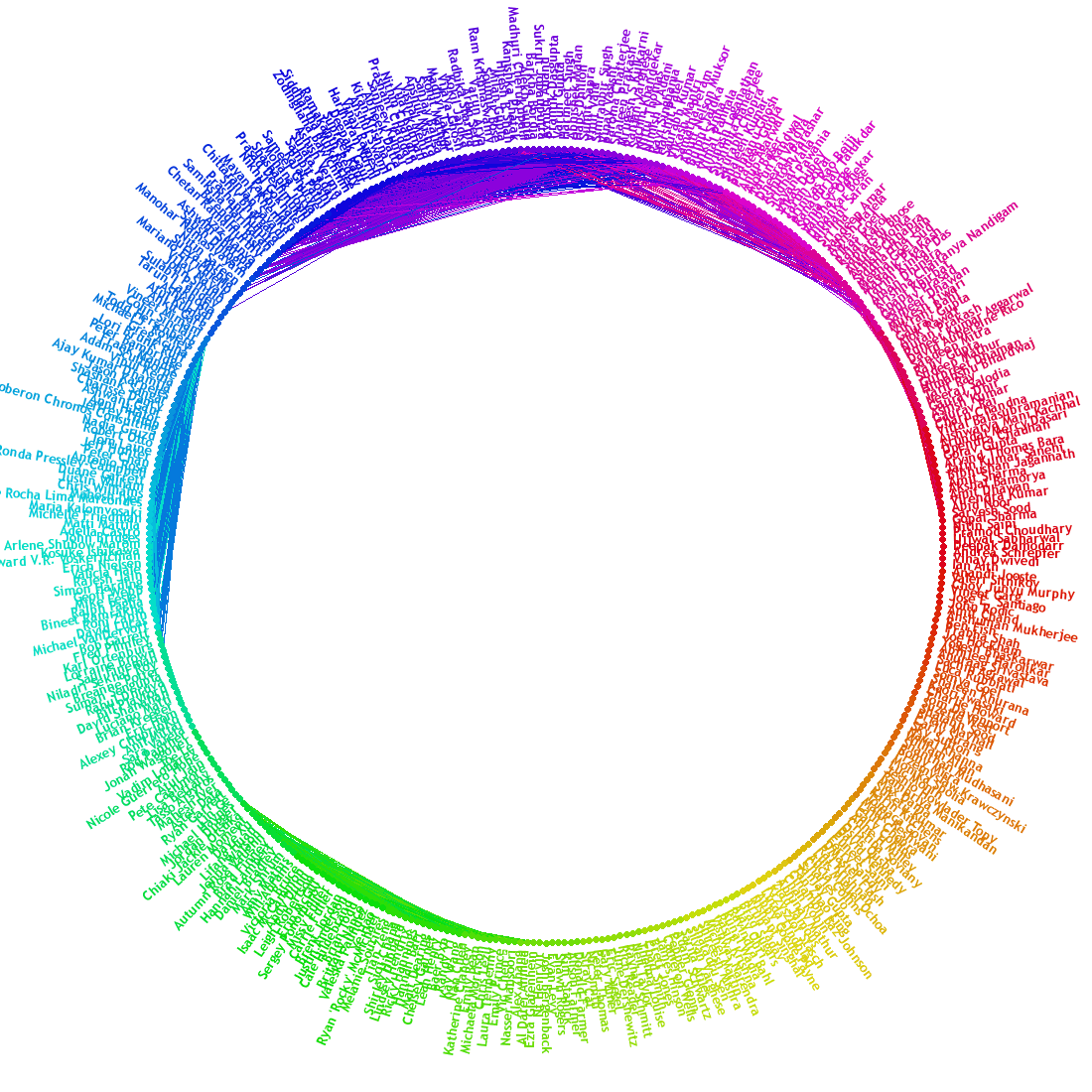
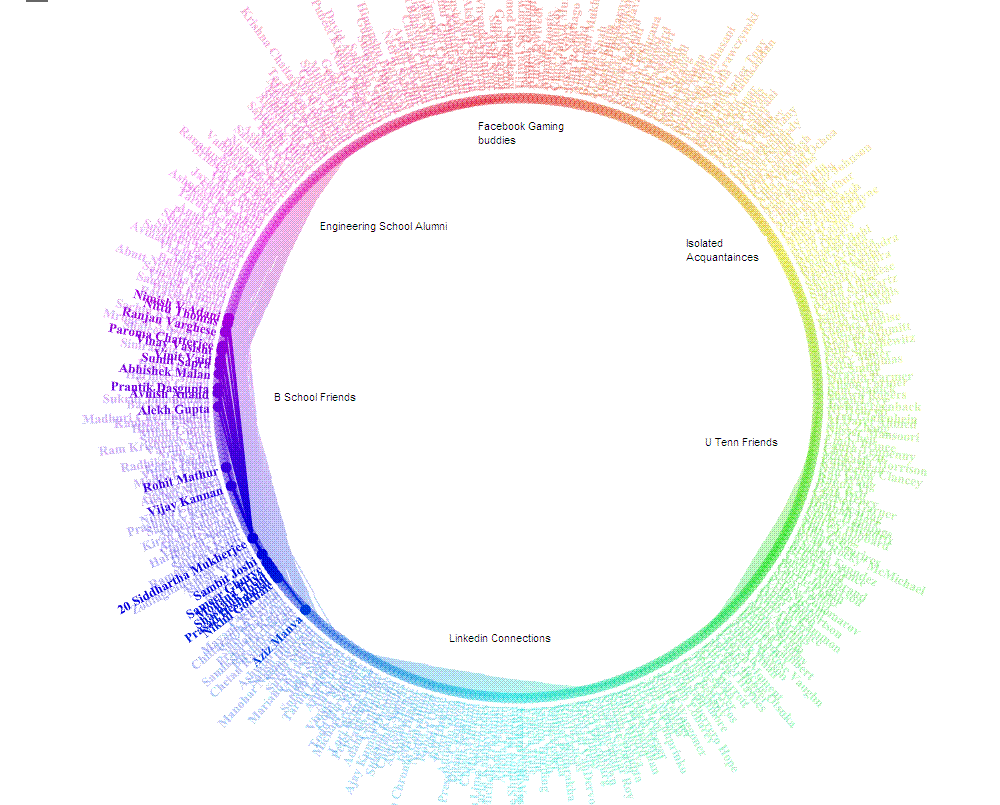
Here is an interesting Facebook Application that I used to generate clusters among my 900( or 400 top) Facebook Connections. What is interesting is the way it drew lines in a circle showing which friends I am most connected with – a bit like analysis of my own social network. It could be interesting if we could apply this to business cases like organizational resource planning or even client relationship management ( or quite traditionally even credit card fraud or risk /marketing analysis)

Thats my network

and this is the main clusters I could draw ( note the number represents the number of common friends/connections)

The FB app was at http://apps.facebook.com/friendwheel/