The Seven C’s of Viral Content -What makes content viral online?

Viral-

Definition-(of an image, video, piece of information, etc.) circulated rapidly and widely from one Internet user to another.

  1. Channels– Some content goes viral on some particular channels (like 4chan, or Tumblr) while gets ignored on other social media channels
  2. Content  – the type of content should match the audience type (technical or non technical) and channel used for dissemination (like Pinterest or Tumble for images)
  3. Celebrity– Getting a celebrity (say with high enough influence score) endorsement greatly helps viral content to reach beyond initial network
  4. Credibility   or Network Effects- People find it easier to like or share content which is already proved to be a viral content or beyond a certain threshold.  Some people would like the content if it already is very successful.
  5.   Customers  -Content consumers can be influencers, sharers, innovators, or passive. It is critical to meet a certain threshold of certain customer types to hit viral counts.
  6. Context– One man’s viral content is another man’s spam.
  7.  Circulation – How easy is it to circulate the content? to share it or show appreciation? to add customized comments? This affects viral nature- though it is mostly a function of hosting website than the content itself

\bonus the 8th C – Cuteness and Catiness – On the internet cute babies and cats rule in a duo-poly

charlie-bit-my-finger-image

2013 Thank You Note

I would like to write a thank you note to  some of the people who helped make Decisionstats.com possible . We had a total of 150,644 views this year.For that, I have to thank you dear readers for putting up with me- it is now our seventh year.

Jan Feb Mar Apr May Jun Jul Aug Sep Oct Nov Dec Total
13,940 12,153 12,948 13,371 12,778  12,085  12,894  11,934  9,914  14,764  12,907  10,956  150,644

I would like to thank Chris  (of Mashape) for helping me with some of the interviews I wrote here .I did 26 interviews this year for Programmable Web and a total of 30+ articles including the interviews in 2013.

Of course- we have now reached 116 excellent interviews on Decisionstats.com alone ( see http://goo.gl/V6UsCG )I would like to thank each one of the interviewees who took precious time to fill out the questions.

Sponsors- I would like to thank Dr Eric Siegel ( individually as an author and as founder chair of www.pawcon.com ) , Nadja and Ingo (for Rapid-Miner) , Dr Jonathan ( for Datamind) , Chris M (for Statace.com ) , Gergely ( Author) and many more during all these six years who have kept us afloat and the servers warm in these days of cold reflection, including Gregory (of KDNuggets.com) and erstwhile AsterData founders.

Training Partners- I would like to thank Lovleen Bhatia ( of Edureka  for giving me the opportunity to make http://www.edureka.in/r-for-analytics which now has 1721 learners as per http://www.edureka.in/)

I would also specially say Thank you to Jigsaw Academy for giving me the opportunity to create
the first affordable and quality R course in Asia http://analyticstraining.com/2013/jigsaw-completes-training-of-300-students-on-r/

These training courses including those by Datamind and Coursera remain a formidable and affordable alternative to many others catching up in the analytics education game in India ( an issue I wrote here)

Each and Everyone of my students (past and present) and Everyone in the #rstats  and SAS-L community, including people who may have been left out.

Thank you sir, for helping me and Decisionstats.com !

Wish each one of you a very happy and Joyous Happy New Year and a great and prosperous 2014!

More to CyberWar than just defacing websites

We are trying to hypothesize realistic scenarios based on existing or near by technologies between the two extreme and popular notions of cyber warfare- that promoted by Die Hard 4 and those who think it is only about bringing down databases.

A Cyberwar is like any war – it will have stages

Reconnaissance and Spying- Not just port sniffing or spear phishing, it will identify the primary and secondary targets in the first and second wave of attacks. It will include both civilian and military strategic targets as well as tactical ones.

For example- communication systems of military infantry and other ground forces are comparatively hardened , but completely disabling the military hospital infrastructure of a country is likely to have more psychological and impact effects. This could range from industrial machines to critical hardware all linked up nicely

The communication system of emergency services is more easily disrupted digitally and can cause more damage than military communication. A simple attack on phone systems for emergency calls (i.e 9-1-1 or 3-1-1 for West or 100 , 101, 102 for India)

This could also include databases on individuals to be targeted including their civilian family members. If you hack the Senator’s daughter Facebook account, trust me it is easier and just as much distracting than hacking the Senator’s website. A list of possible databases to be hacked have been written about here and here

Add oil producing grids, dams, electricity grids and water supplies for civilians to this list and you can see how even messing with the digital diagnostics of the infrastructure can impact the efficiency of enemy response.

So the next time you wear that Pirate Bay T Shirt and participate in the masked rally, know that you are not just protesting war you are unwillingly and unwittingly participating in one.

Geeks for Privacy: Play Color Cipher and Visual Cryptography

Maybe the guys in Anonymous or Wikileaks can now use visual cryptography while using Snapchat to fool the NSA or CIA

Personally I think a browser with inbuilt backdoors to Tor Relays and data transfer by Bit Torrrents could be worthy a project too.

Quit the bullshit, Google- you are as evil as The Russian Communist Empire

I was just reading up on my weekly to-read list and came across this interesting method. It is called Play Color Cipher-

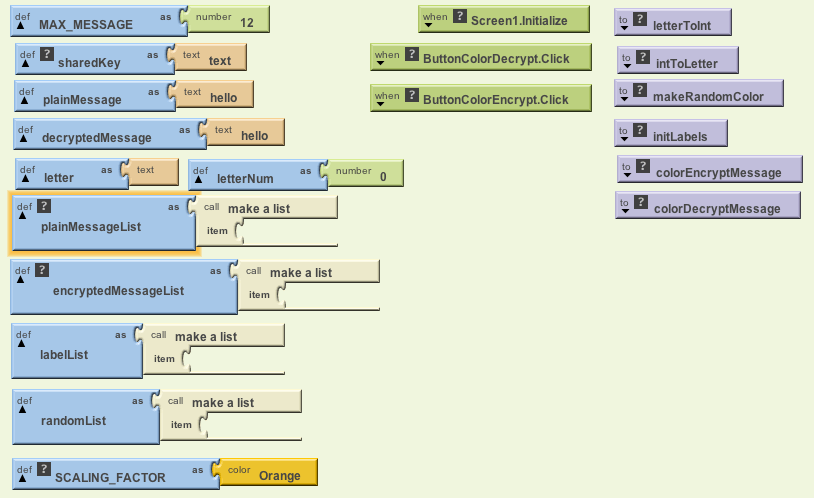
Each Character ( Capital, Small letters, Numbers (0-9), Symbols on the keyboard ) in the plain text is substituted with a color block from the available 18 Decillions of colors in the world [11][12][13] and at the receiving end the cipher text block (in color) is decrypted in to plain text block. It overcomes the problems like “Meet in the middle attack, Birthday attack and Brute force attacks [1]”.
It also reduces the size of the plain text when it is encrypted in to cipher text by 4 times, with out any loss of content. Cipher text occupies very less buffer space; hence transmitting through channel is very fast. With this the transportation cost through channel comes down.

ColorCipherBlocks

Reference-

http://www.ijcaonline.org/journal/number28/pxc387832.pdf

Visual Cryptography is indeed an interesting topic-

Visual cryptography, an emerging cryptography technology, uses the characteristics of human vision to decrypt encrypted
images. It needs neither cryptography knowledge nor complex computation. For security concerns, it also ensures that hackers
cannot perceive any clues about a secret image from individual cover images. Since Naor and Shamir proposed the basic
model of visual cryptography, researchers have published many related studies.

Visual_crypto_animation_demo

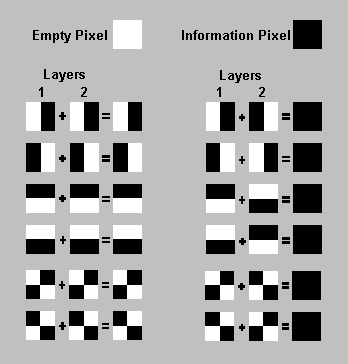
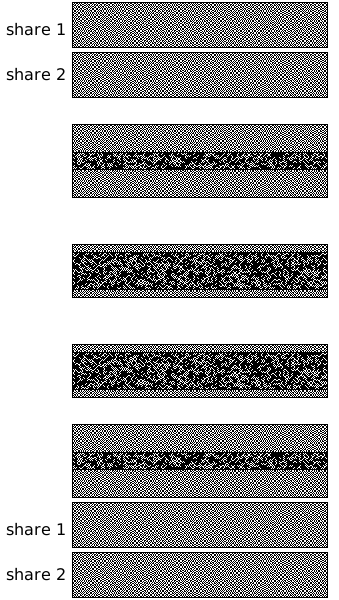
Visual cryptography (VC) schemes hide the secret image into two or more images which are called
shares. The secret image can be recovered simply by stacking the shares together without any complex
computation involved. The shares are very safe because separately they reveal nothing about the secret image.

Visual Cryptography provides one of the secure ways to transfer images on the Internet. The advantage
of visual cryptography is that it exploits human eyes to decrypt secret images .

ESPECIALLY SEE |THIS AND THIS

http://cacr.uwaterloo.ca/~dstinson/VCS-flag.html

and

http://cacr.uwaterloo.ca/~dstinson/VCS-pi.html

Even more fun—– visual cryptography using a series of bar codes – leaving the man in middle guessing how many sub images are there and which if at all is the real message


vispixel

References-

Color Visual Cryptography Scheme Using Meaningful Shares

http://csis.bits-pilani.ac.in/faculty/murali/netsec-10/seminar/refs/muralikrishna4.pdf

Visual cryptography for color images

http://csis.bits-pilani.ac.in/faculty/murali/netsec-10/seminar/refs/muralikrishna3.pdf

Other Resources

  1. http://users.telenet.be/d.rijmenants/en/visualcrypto.htm
  2. Visual Crypto – One-time Image Create two secure images from one by Robert Hansen
  3. Visual Crypto Java Applet at the University of Regensburg
  4. Visual Cryptography Kit Software to create image layers
  5. On-line Visual Crypto Applet by Leemon Baird
  6. Extended Visual Cryptography (pdf) by Mizuho Nakajima and Yasushi Yamaguchi
  7. Visual Cryptography Paper by Moni Noar and Adi Shamir
  8. Visual Crypto Talk (pdf) by Frederik Vercauteren ESAT Leuven
  9. http://cacr.uwaterloo.ca/~dstinson/visual.html
  10. t the University of Salerno web page on visual cryptogrpahy.
  11. Visual Crypto Page by Doug Stinson
  12. Simple implementation of the visual cryptography scheme based on Moni Naor and Adi Shamir, Visual Cryptography, EUROCRYPT 1994, pp1–12. This technique allows visual information like pictures to be encrypted so that decryption can be done visually.The code outputs two files. Try printing them on two separate transparencies and putting them one on top of the other to see the hidden message. http://algorito.com/algorithm/visual-cryptography

Visual Cryptography 

Ajay- I think a combination of sharing and color ciphers would prove more helpful to secure Internet Communication than existing algorithms. It also levels the playing field from computationally rich players to creative coders.

Mathematical .Gifs

Credit- Wikipedia and Google Plus Maths Community

https://plus.google.com/u/0/communities/100568607954673744130
 

Click on .gif for seeing motion esp if from mobile or on low bandwidth

Mobius

mobius


The road to Carnegie Hall

Párhuzamos randevú


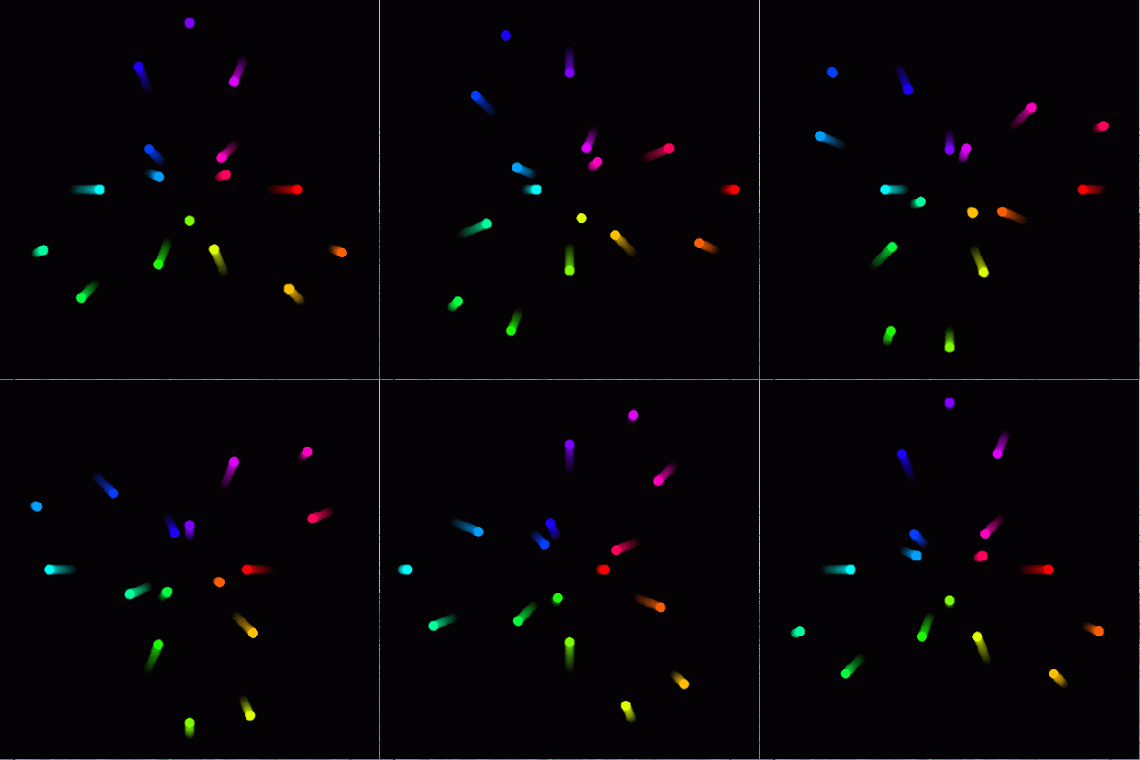
Illusion- Each of the dots are actually moving in straight line -Also used for Christmas Lights

Düz hareket eden noktalar


Sine and Cosine

V0mCw


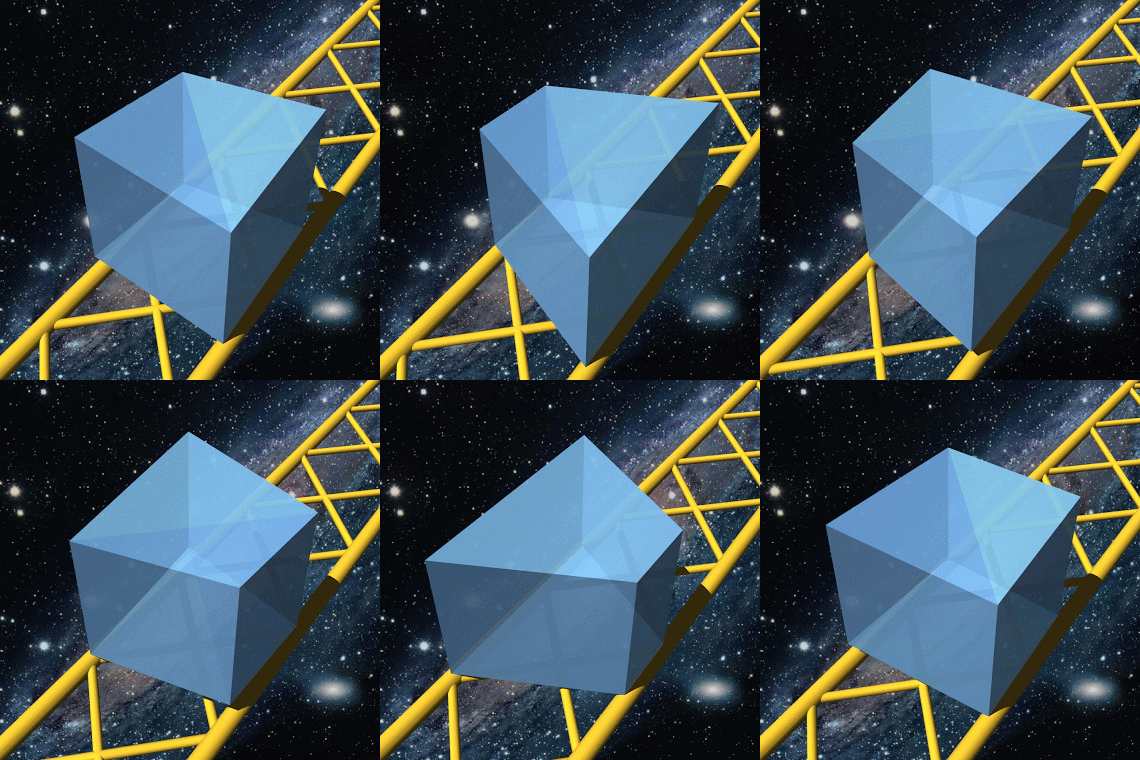
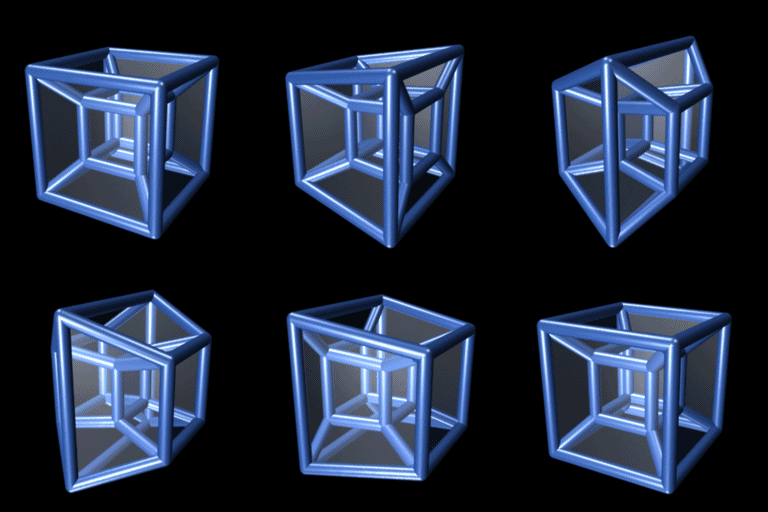
Tesseracts (not from Asgard)

8-cell-simple


Tesseract


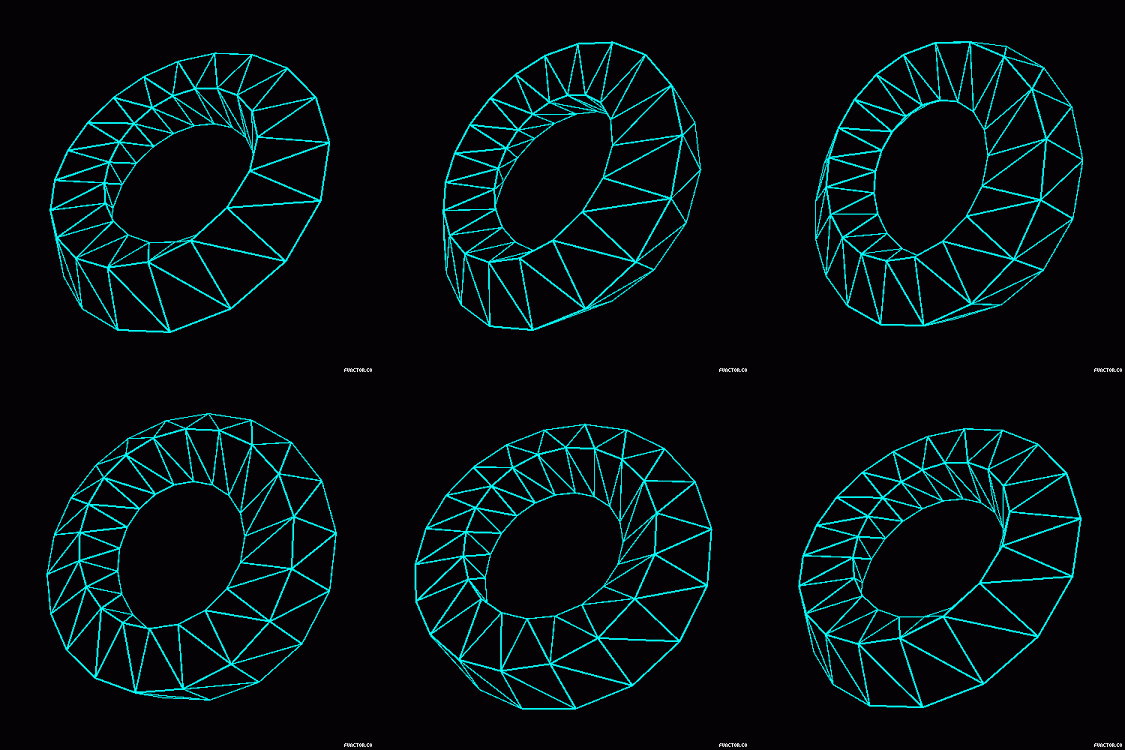
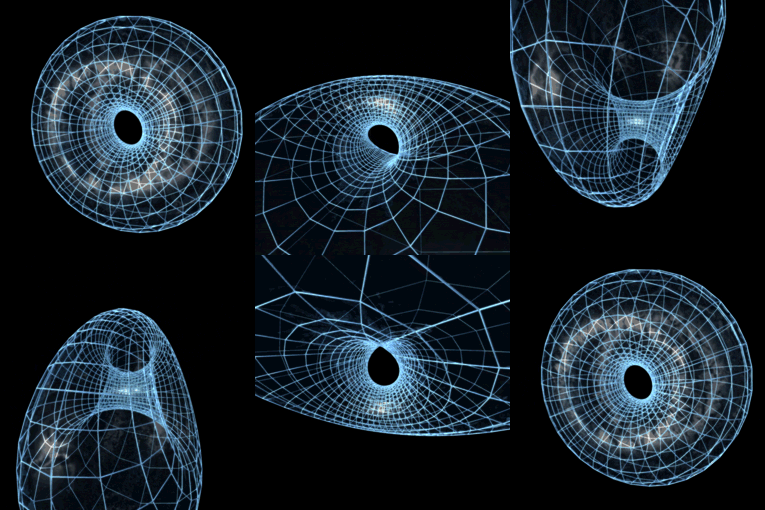
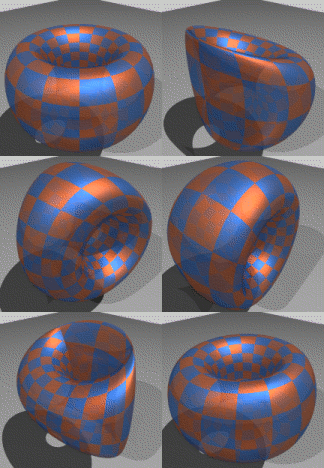
Toruses

Clifford-torus


240px-Torus_from_rectangle


Duocylinder_ridge_animated


1spiraltorusknot2gj0


Pythagoras Theorem- Greek Math

Pythagoras-2a


Dodecahedron

9h16m


Villarceau_circles


Villarceau_circles


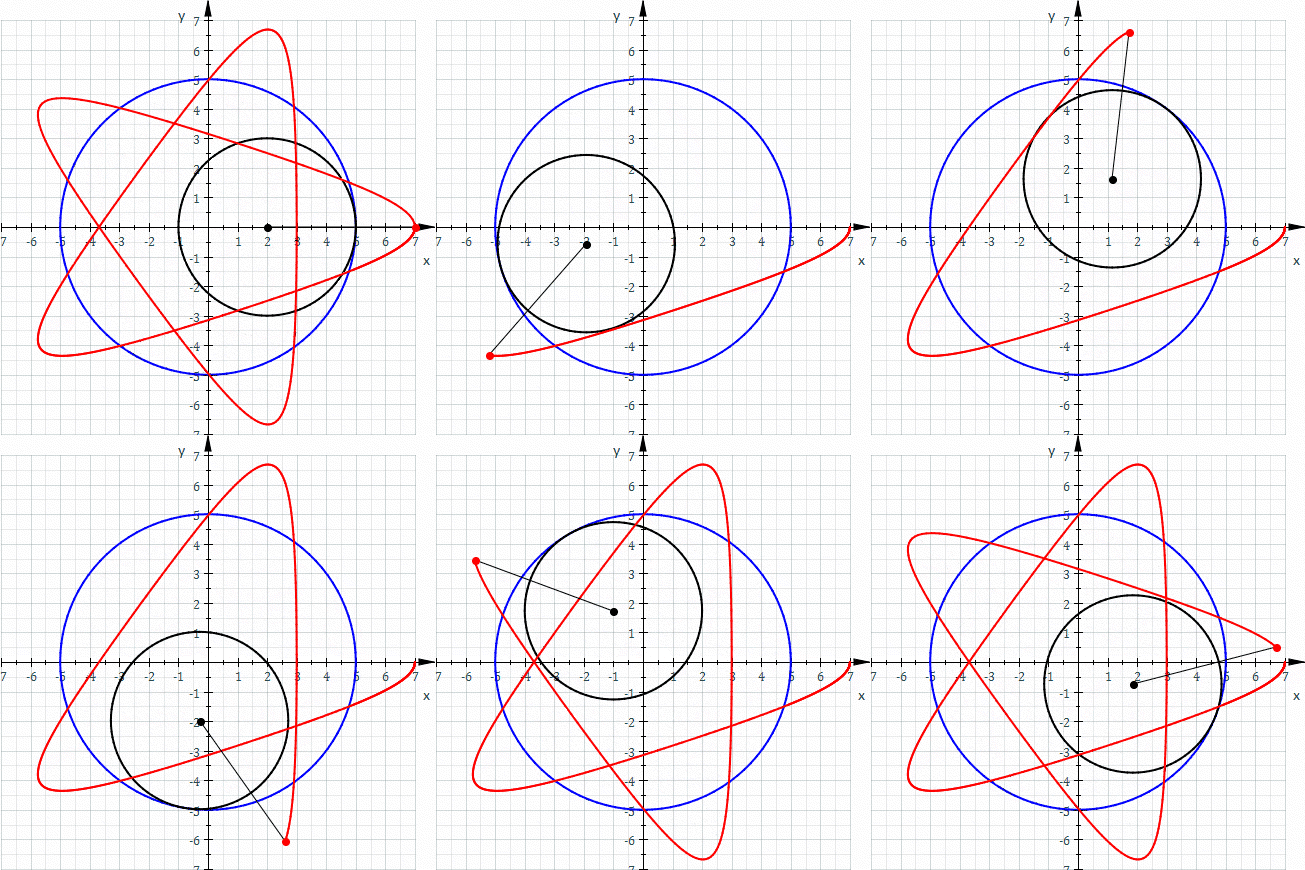
Hypotrochoid

HypotrochoidOutThreeFifths

Simple Way to Teach Pi

Pi-unrolled-720


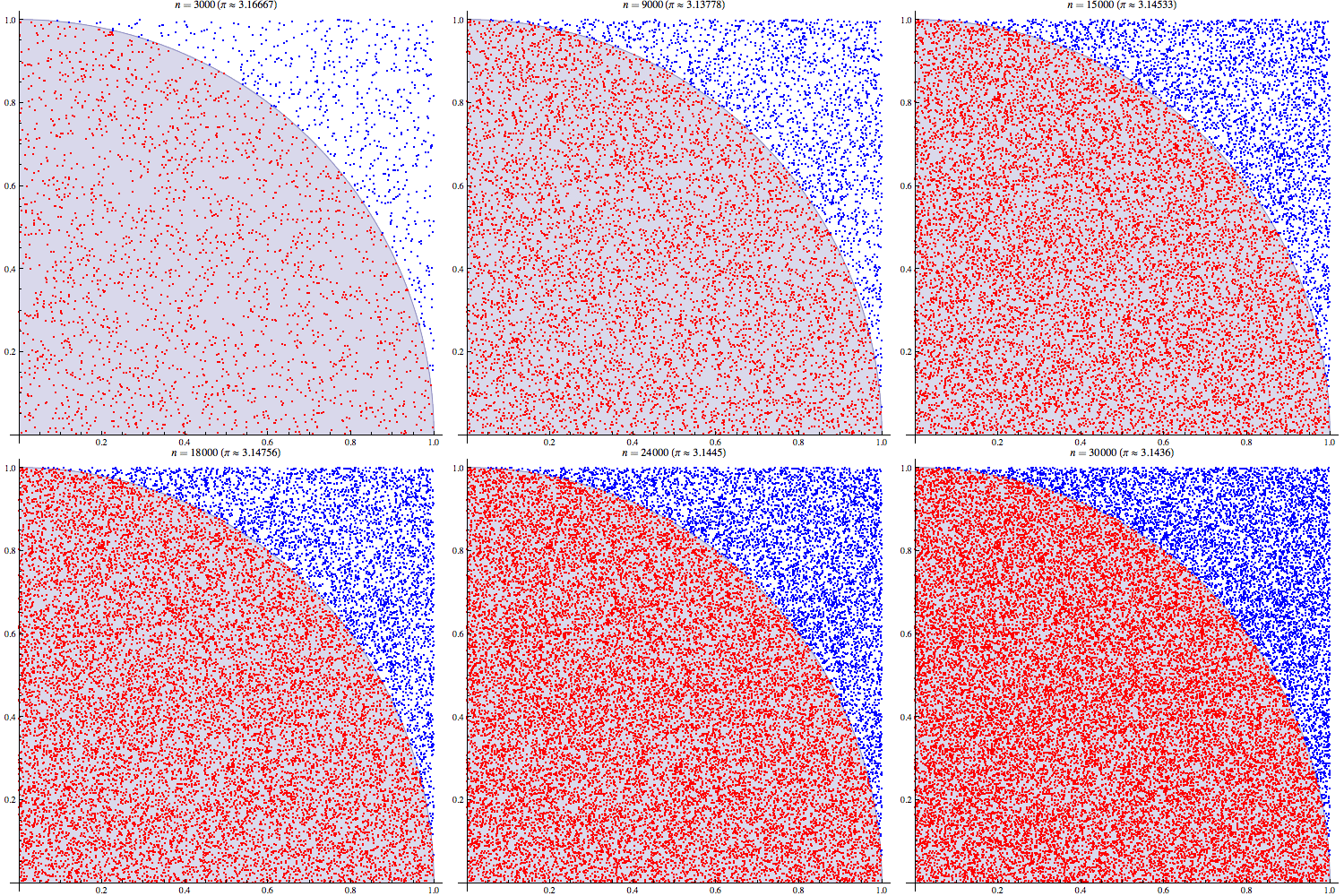
Monte Carlo to Estimate Pi

Pi_30K


Top Fourteen Interfaces in Social Media and Web Analytics on the Internet

Gurus like  this   and  this should me but I think something is rotten in the state of analytics data visualizations on the web.

  • Facebook Page Insights- Cool Viz- Blue Line Graphsfacebook page insights
  • WordPress prefers bar plots and spatial analysis (if only minimal)
    wp viz
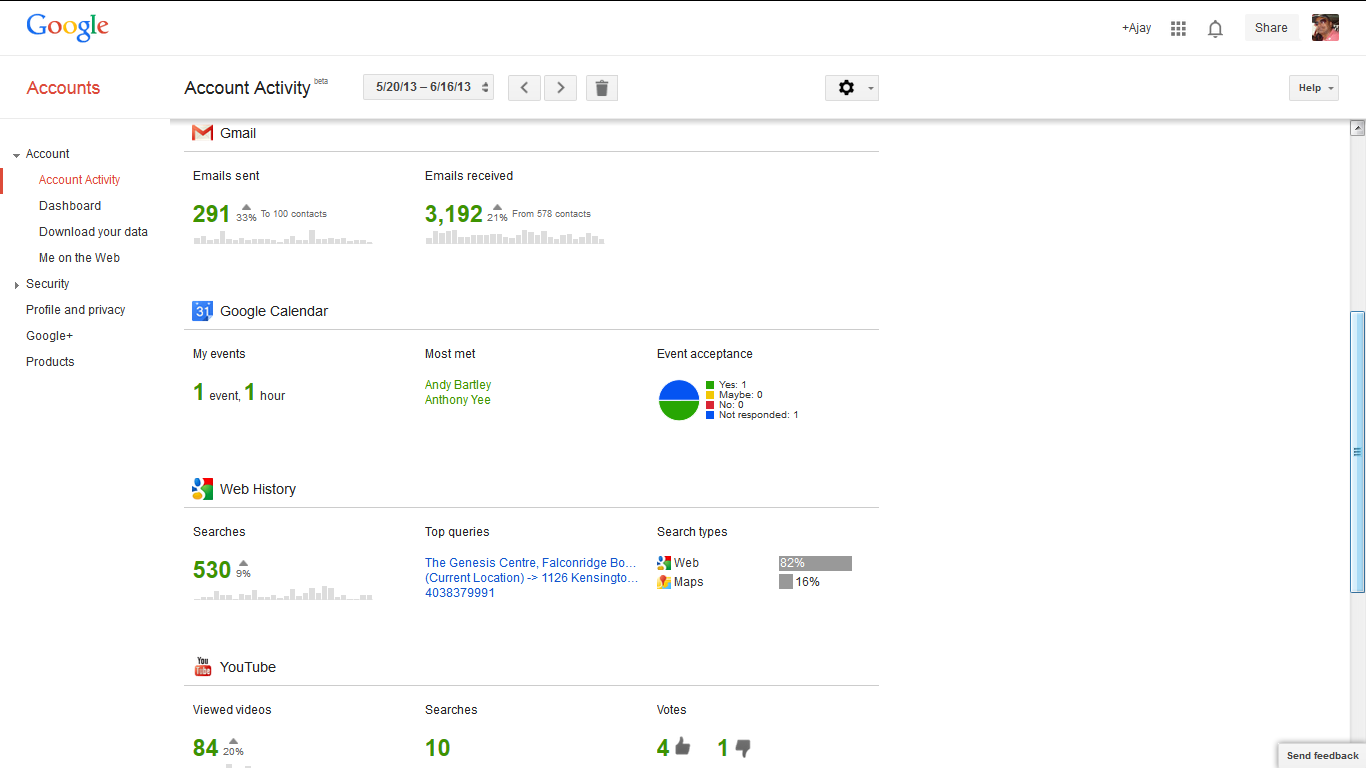
  •  Google Activity Dashboard prefers Tufte (?) . No it just shows fonts, and even a (gasp) pie chart.
    google stats
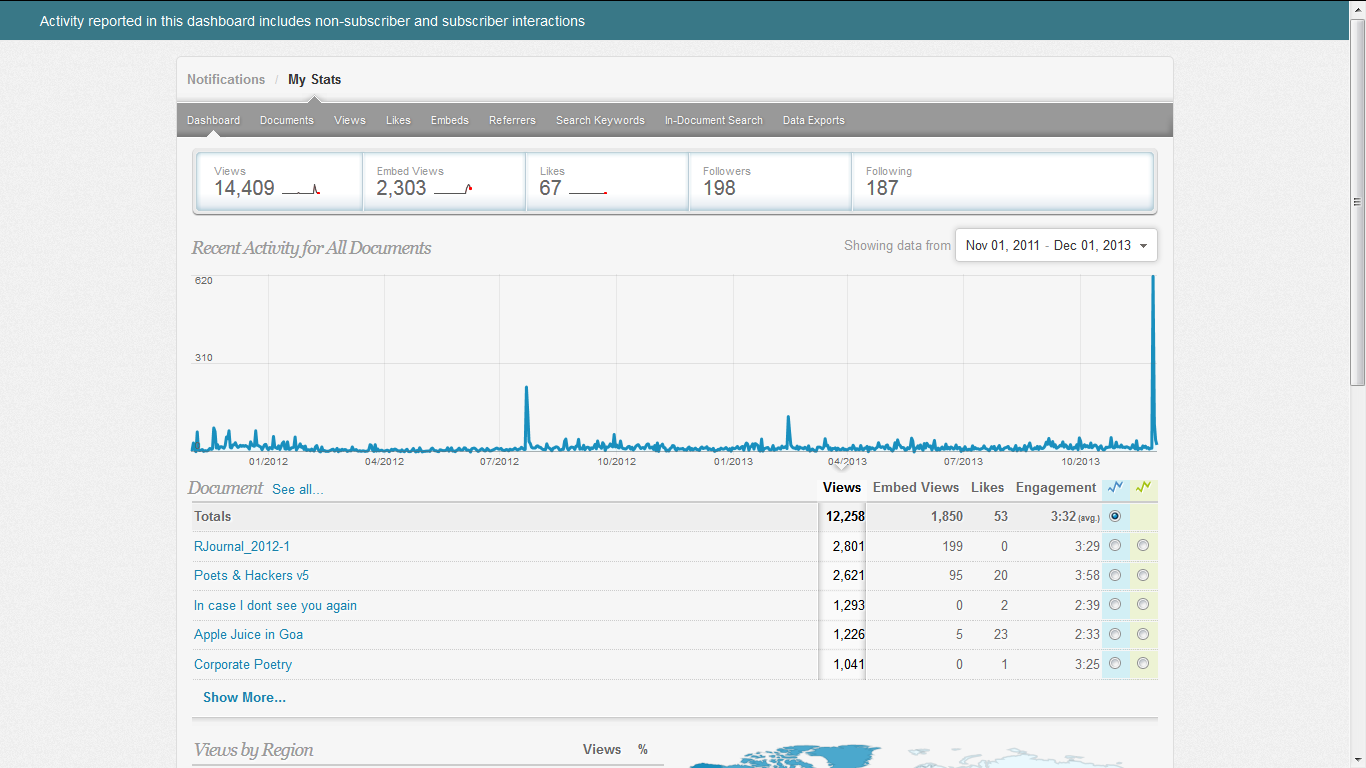
  • Scribd prefers  —yes tables and line graphs rule
    scribd stats
  • Slideshare Stats are a pro feature (!) . Free features are a table– sigh
    slideshare analytics
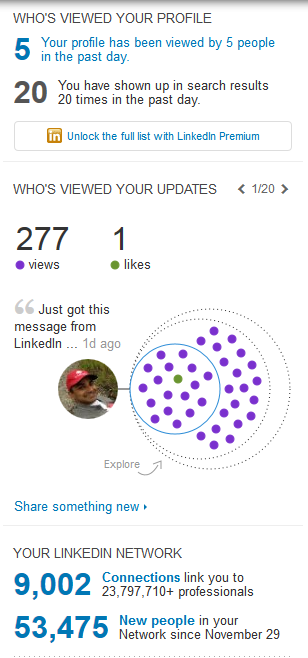
  • LinkedIn – was a pioneer but now  

li stats 1

  • Linkedin Groups viz
    li stats groups
  • Quora Stats – hmm
    quora stats
  • My Anti Virus still likes doughnuts
    pie
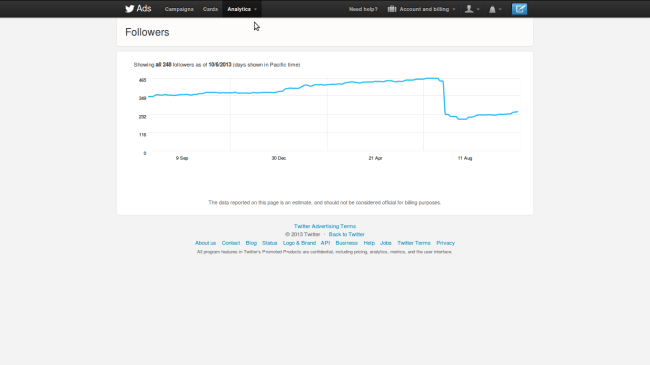
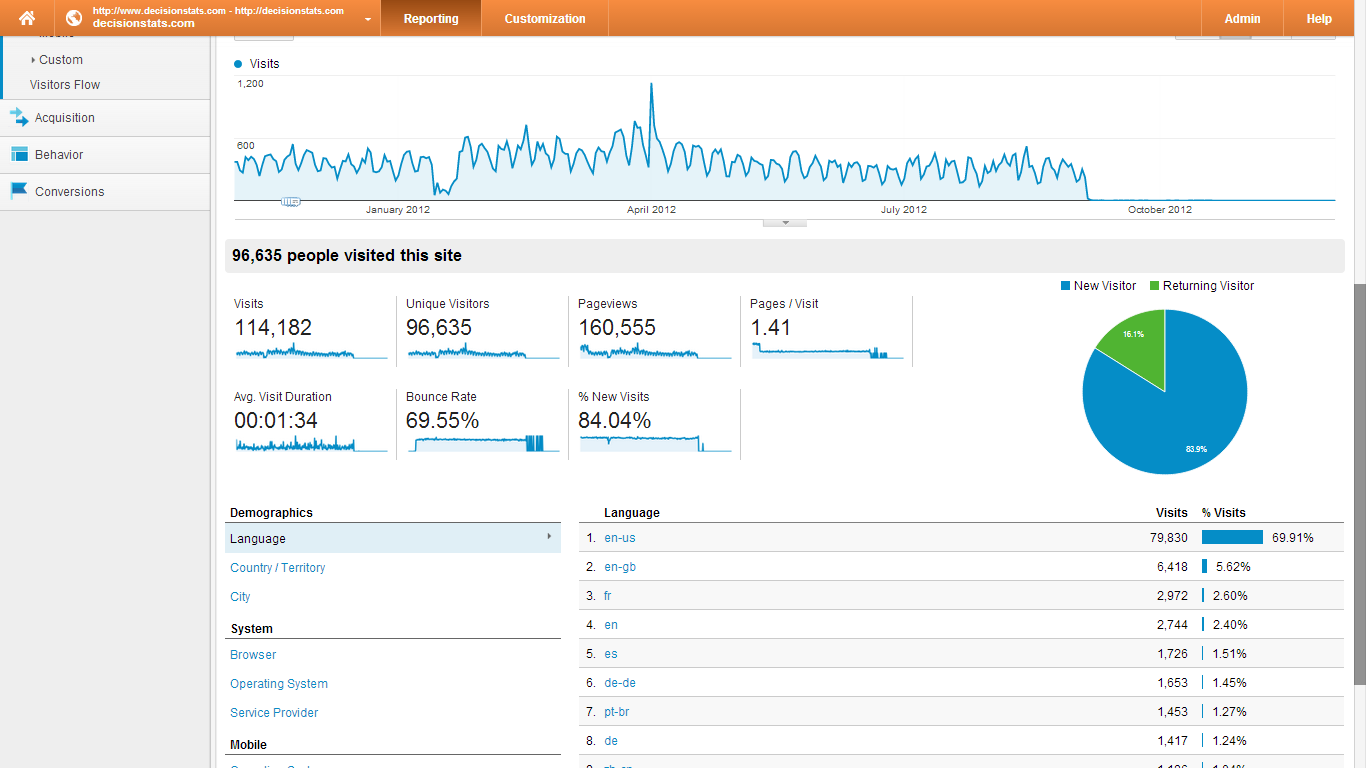
  • OFFICIAL Twitter Analytics

source – https://decisionstats.com/2013/10/07/ads-and-analytics-on-twitter-is-a-lovely-platform-ads-twitter-ipo-analytics-socialmedia/

ga1


Tails -an OS for Privacy

Just came across Tails.

https://tails.boum.org/

amnesianoun:
forgetfulness; loss of long-term memory.

incognitoadjective & adverb:
(of a person) having one’s true identity concealed.

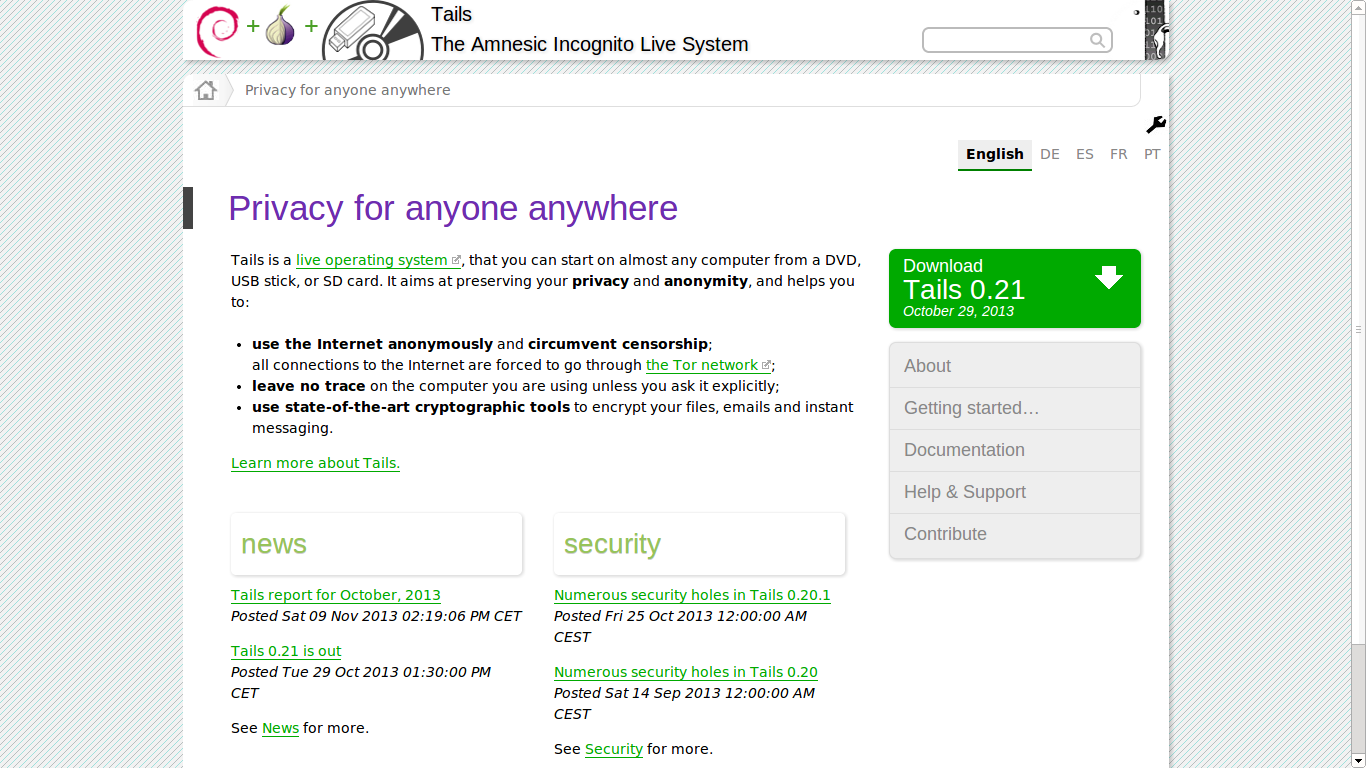
Screenshot from 2013-11-17 21:44:21

Tails is a live system that aims to preserve your privacy and anonymity. It helps you to use the Internet anonymously and circumvent censorship almost anywhere you go and on any computer but leaving no trace unless you ask it to explicitly.

It is a complete operating system designed to be used from a DVD, USB stick, or SD card independently of the computer’s original operating system. It is Free Software and based on Debian GNU/Linux.

Tails comes with several built-in applications pre-configured with security in mind: web browser, instant messaging client, email client, office suite, image and sound editor, etc.