I sometimes get a chat message on Twitter/ Facebook asking for help on some specific data issue. More often than not it is something like – How do I get started in BI/BA /Data stuff. So here is a list of certifications which I think are quite nice as beginning points or even CV multipliers.
[tweetmeme=”Decisionstats”]
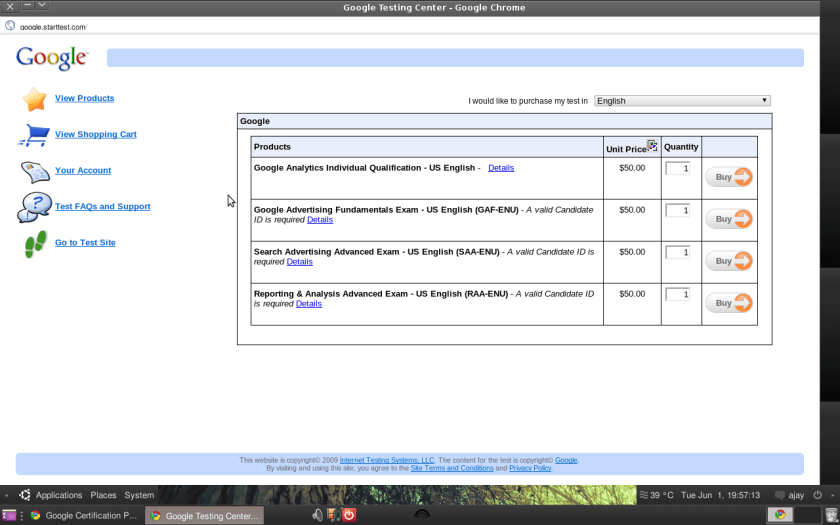
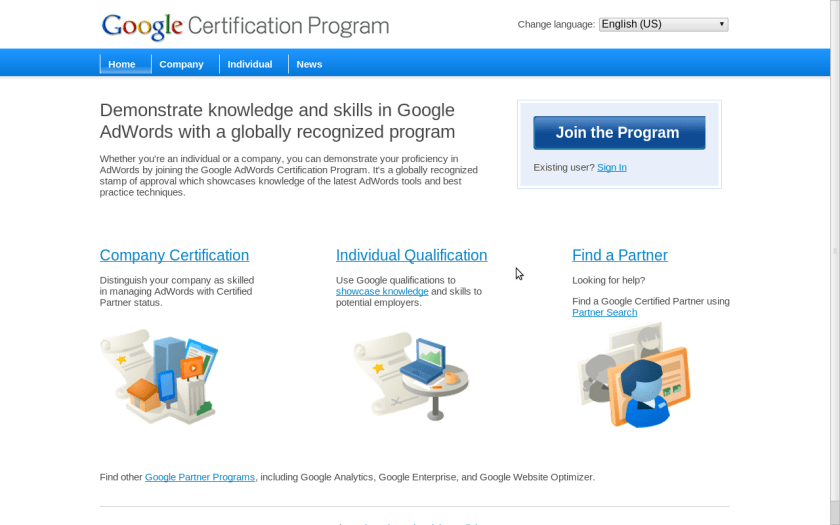
1) Google’s Certifications
http://www.google.com/intl/en/adwords/professionals/
2) SAS Certifications
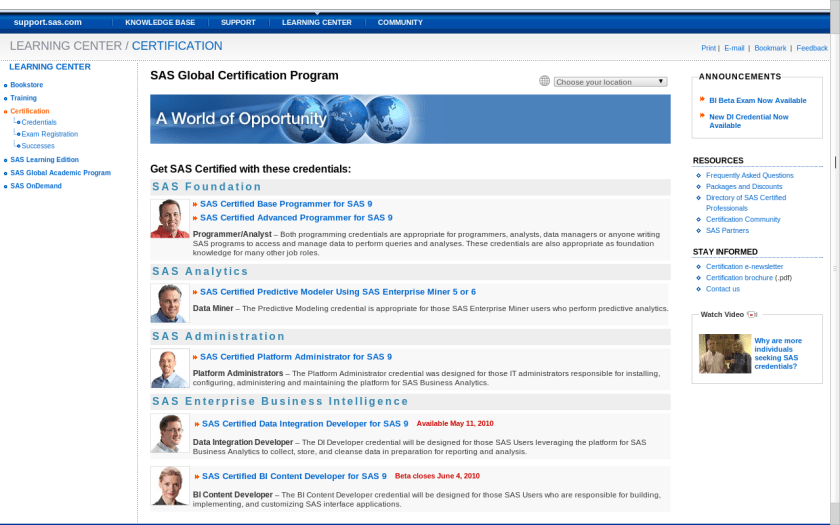
Quite well established and easily one of the best structured certification programs in the industry.
http://support.sas.com/certify/index.html
3) SPSS
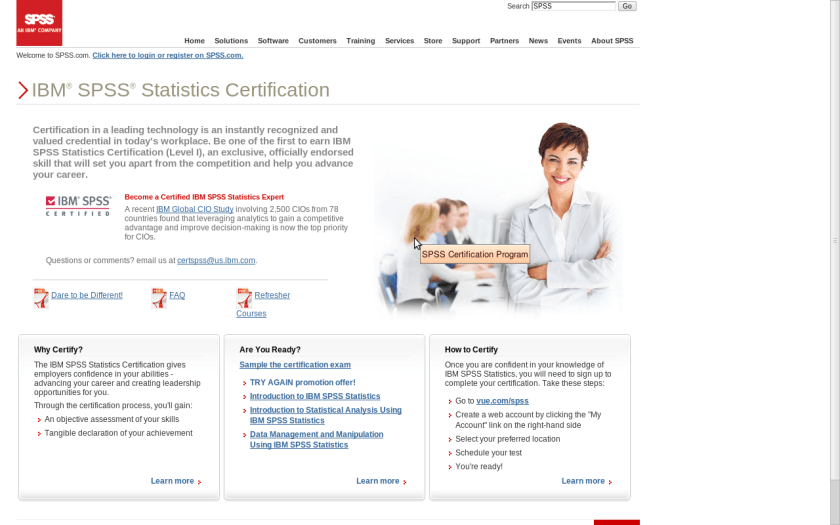
The SPSS certification began last year and it helps provide a valuable skill set for both your practice as well as your resume. Also useful to have a second skill set apart from SAS in terms of statistical software.
http://www.spss.com/certification/
At this point I would like you to pause and think if the above certifications are useful or cost effective for you as they are broadly general qualifications in statistical platforms as well as in applying them for the web analytics ( a key area for business analytics).
For more specialized certifications here are some more-
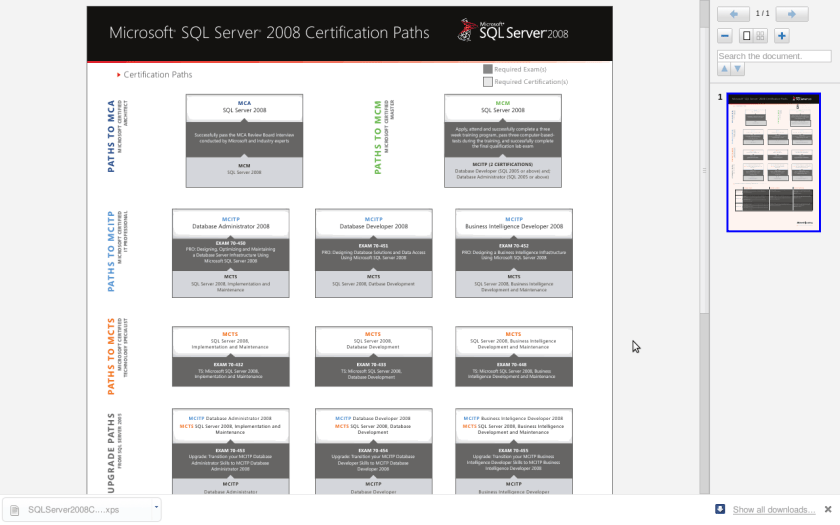
1) Microsoft SQL Server
http://www.microsoft.com/learning/en/us/certification/cert-sql-server.aspx
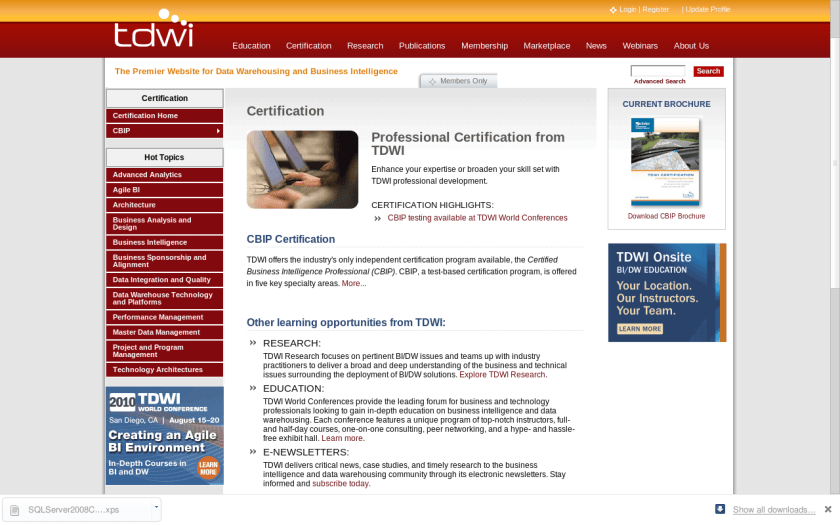
2) TDWI Certification
http://tdwi.org/pages/certification/index.aspx
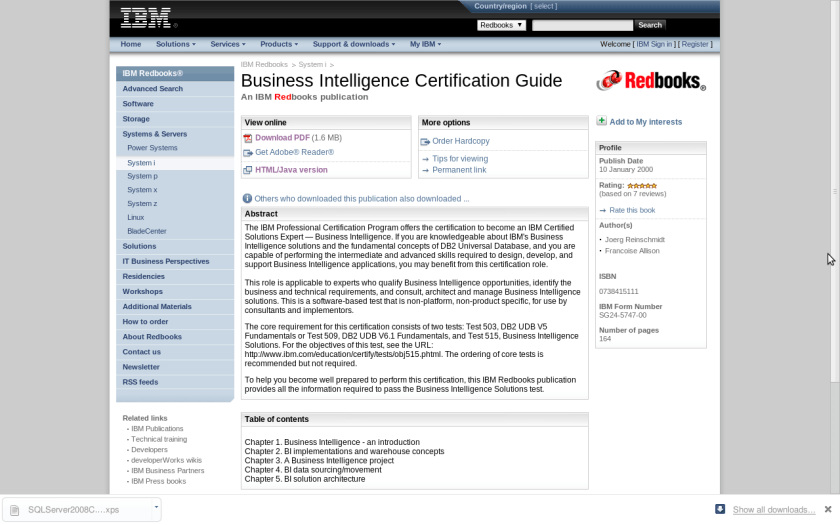
3) IBM
Not sure how updated these are so caveat emptor!
http://www.redbooks.ibm.com/abstracts/sg245747.html
If you are knowledgeable about IBM’s Business Intelligence solutions and the fundamental concepts of DB2 Universal Database, and you are capable of performing the intermediate and advanced skills required to design, develop, and support Business Intelligence applications
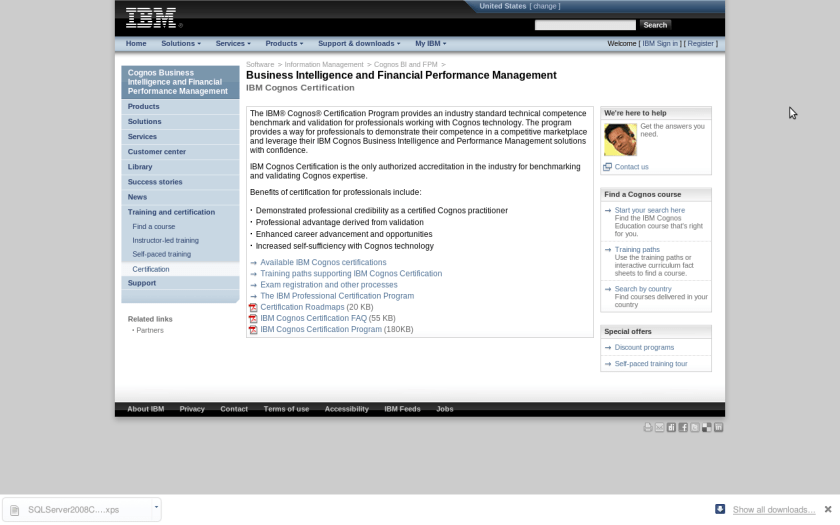
Also IBM Cognos Certifications
http://www-01.ibm.com/software/data/education/cognos-cert.html
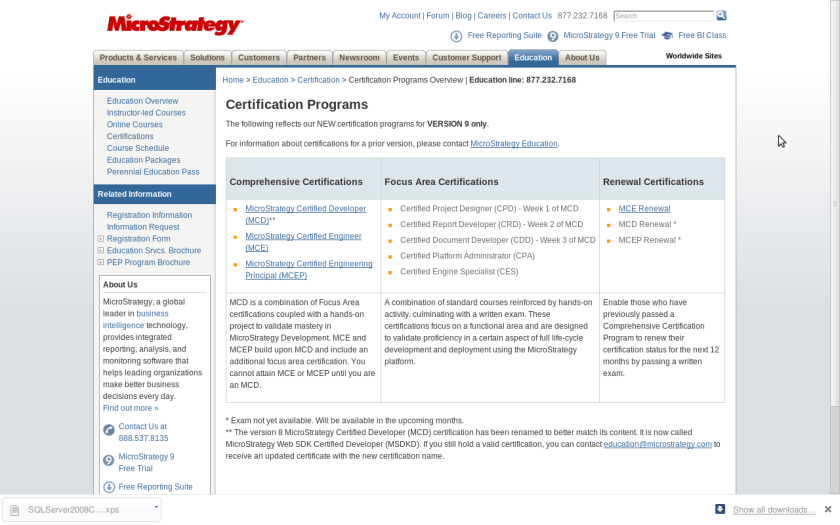
4) MicroStrategy
http://www.microstrategy.com/education/Certification/
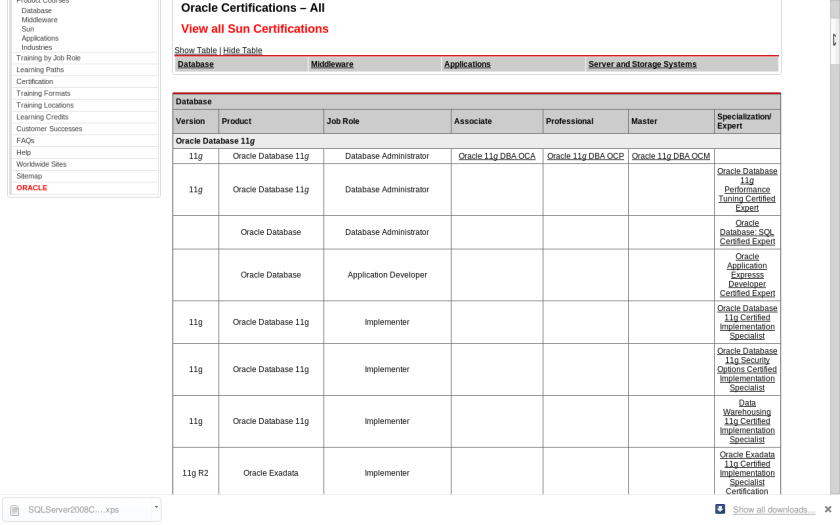
5) Oracle
Included the all new Sun Certifications as well.
http://certification.oracle.com/
and http://blogs.oracle.com/certification/
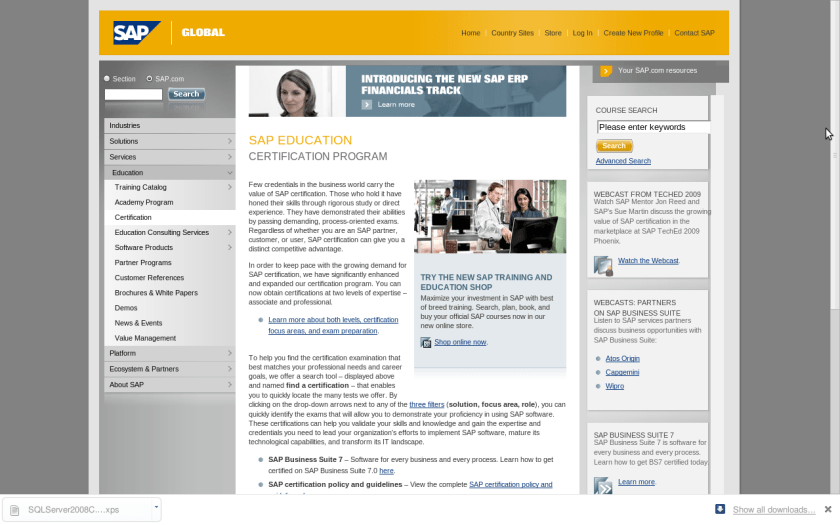
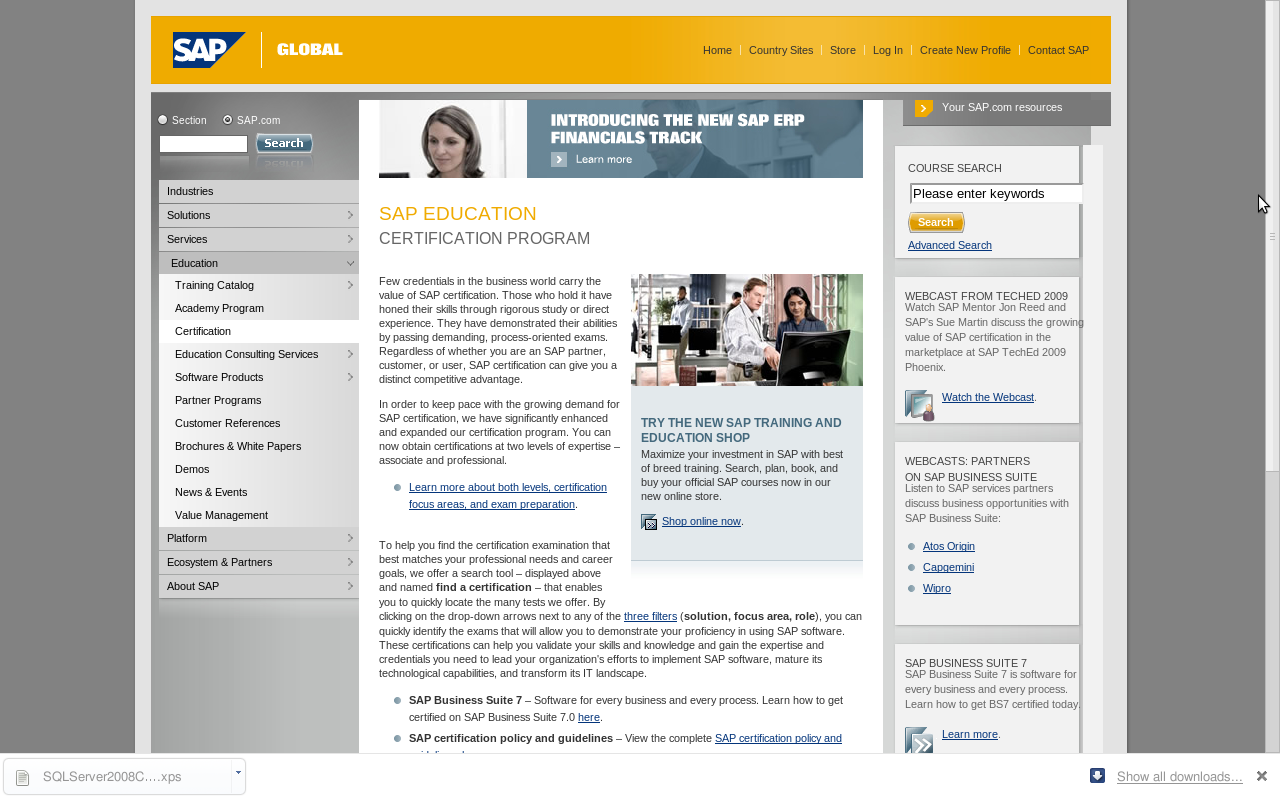
6) SAP Certifications
http://www.sap.com/services/education/certification/index.epx
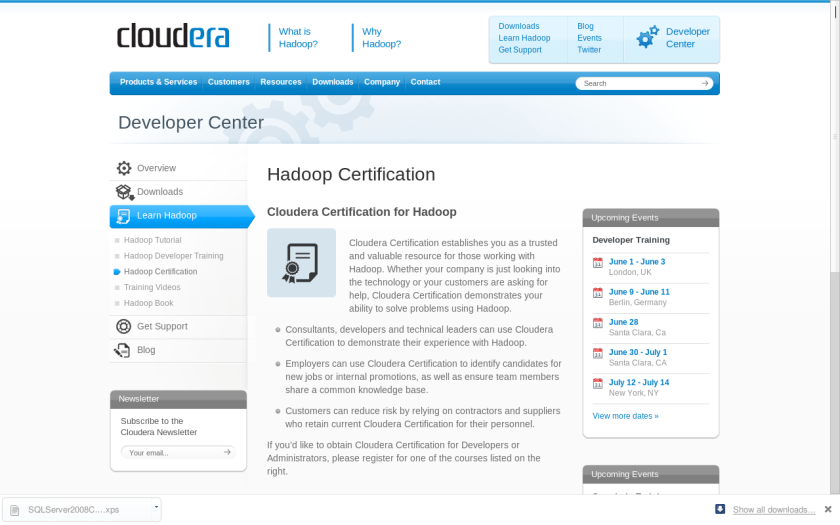
7) Cloudera’s Hadoop Certification
http://www.cloudera.com/developers/learn-hadoop/hadoop-certification/
These are some Business Intelligence and Business Analytics related certifications that I assembled in a list. Many other programs were either too software development specific or did not have a certification for general usage (like many R trainings or company tool specific trainings). Please feel free to add in any suggestions.
35.965000
-83.920000

 Cloudera Certification establishes you as a trusted and valuable resource for those working with Hadoop. Whether your company is just looking into the technology or your customers are asking for help, Cloudera Certification demonstrates your ability to solve problems using Hadoop.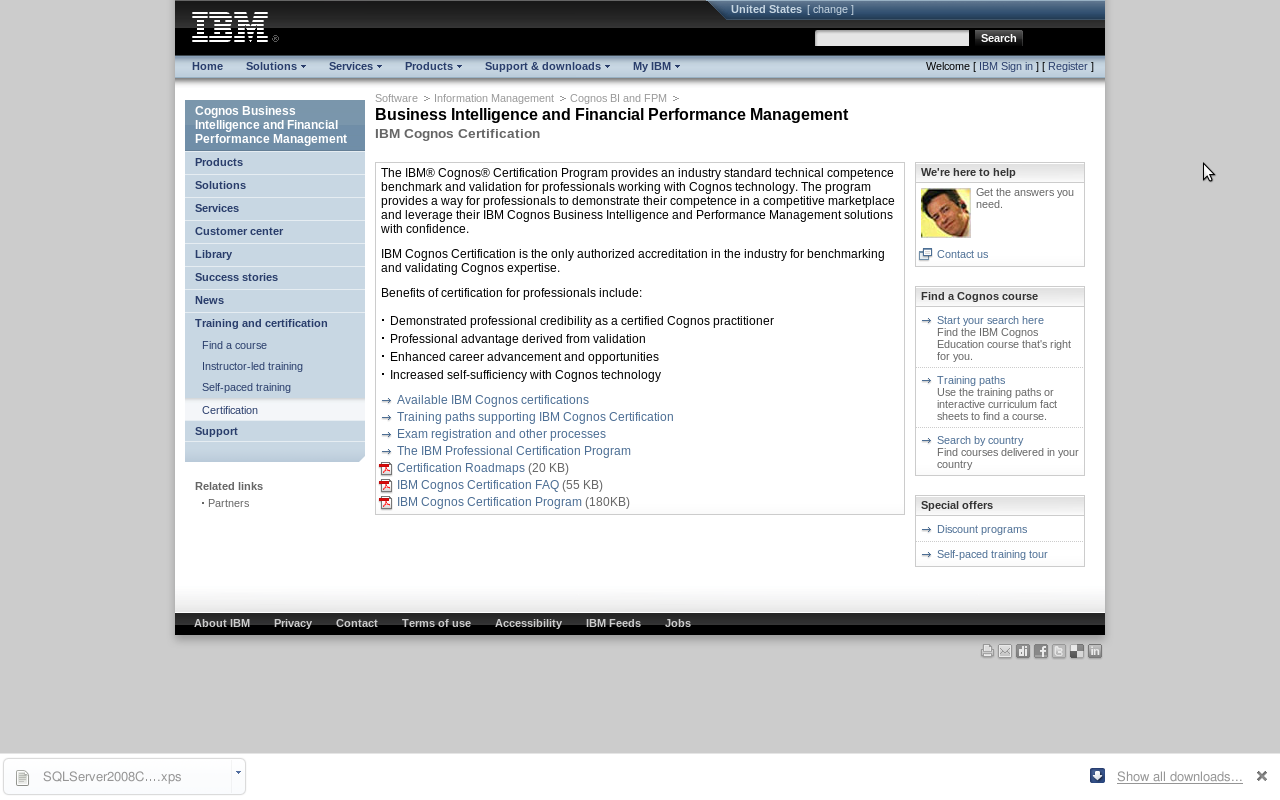
 DECISION STATS