How to be a better writer
Background- I wrote this as an accident while trolling on Quora. I was not confident of what I wrote- in fact I wrote it anonymous except people kept asking me why! It was pure serendipity- I wrote it less than 4 minutes and submitted without thinking. Then edited once based on feedback.
Some one clearly more smarter than me made my tips for writing into a picture http://amandaonwriting.tumblr.com/post/54265230509
and it went popular on Tumblr just like it did on Quora!
Apparently if some guy like Wil Wheaton likes your words, it can go viral! It has 41799 notes ( reblogs+hearts) on Tumblr as of now.
http://wilwheaton.tumblr.com/post/54699823961/torteen-great-advice-to-writers
Words . Reposted by a member of STAR TREK:NG. I can now die a happy Geek! The Internet is a funny thing!
Thank you everyone! Now if only Google learnt to include OCR for Images as part of text search!
- Write 50 words . That’s a paragraph.
- Write 400 words . That’s a page.
- Write 300 pages. That’s a manuscript.
- Write everyday. That’s a habit.
- Edit and Rewrite. That’s how you get better.
- Spread your writing for people to comment. That’s called feedback.
- Dont worry about rejection or publication. That’s a writer.
- When not writing, read. Read from writers better than you. Read and Perceive.
But overall, just write more to get better.
1887+ votes on Quora!! 🙂 Probably my most viewed content ever- !
Also it got a mention here-
Now I think I should take some of my own advice and get back to writing
Using ifelse in R for creating new variables #rstats #data #manipulation
The ifelse function is simple and powerful and can help in data manipulation within R. Here I create a categoric variable from specific values in a numeric variable
> data(iris)
> iris$Type=ifelse(iris$Sepal.Length<5.8,”Small Flower”,”Big Flower”)
> table(iris$Type)
Big Flower Small Flower
77 73
The parameters of ifelse is quite simple
Usage
ifelse(test, yes, no)
Arguments
test
an object which can be coerced to logical mode.
yes
return values for true elements of test.
no
return values for false elements of tes
Summer Reading :NBER
Some of the things I like to read to stay sharp as I grow old.
For example this paper says how foreign born PHDs do location choices.
Graduates with stronger academic ability, measured by whether they received university support for a research or a teaching assistantship, had a 6.8 percent higher stay rate. Assistantships were the primary means of support for 52 percent of the sample; 11 percent of the sample was supported by a university fellowship or scholarship, which was associated with a 2.7 percent higher stay rate. Students supported by foreign funding, 4 percent of the sample, had an intent to stay that was 26.7 points lower.
As one would expect, ties to the United States are also important. Foreign-born U.S. citizens have a 19.5 percent higher stay rate; green card holders have a 15.3 percent higher stay rate; and U.S. college graduates have a 3.6 percent higher stay rate.
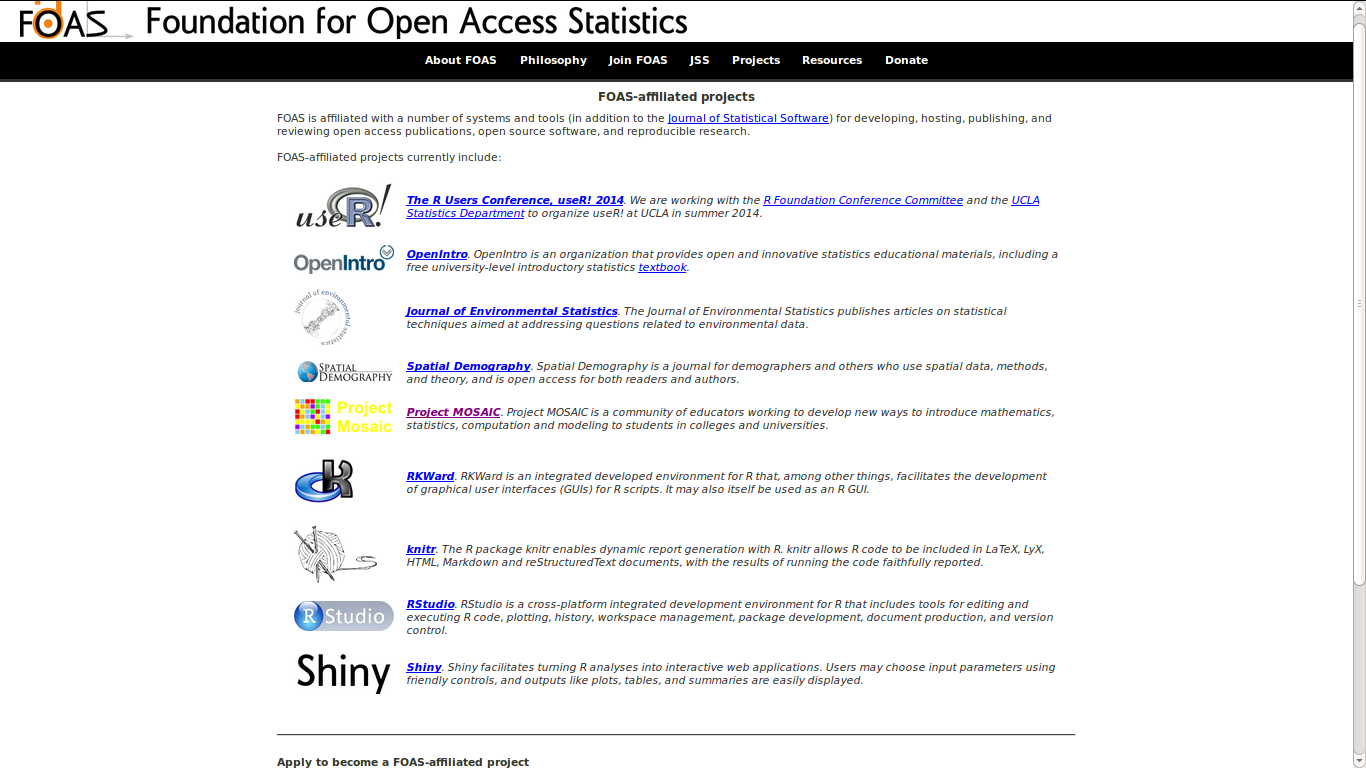
FOAS becomes hottest thing in open source data science #rstats
Within a short time FOAS has lined up an interesting list of projects for Data Science statups and projects for open access and open source. FOAS accreditation provides the ultimate halmark of open in word and spirit for data science projects.
See it yourself at http://www.foastat.org/projects.html
How Geeks Become Hackers in China
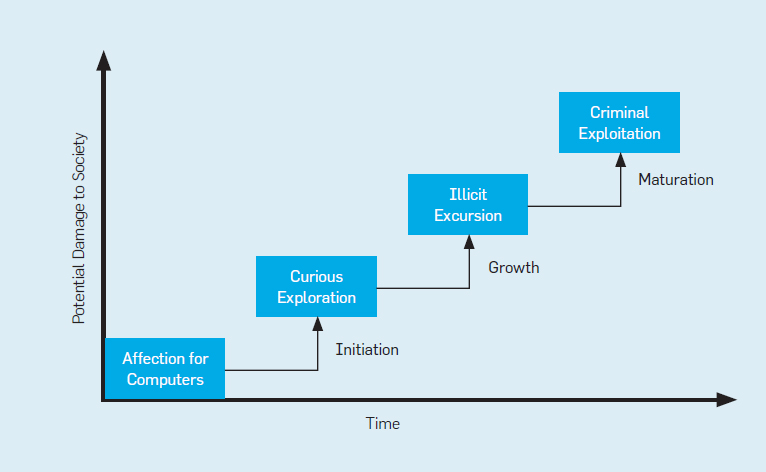
The Path-
How?
Why?
Source-
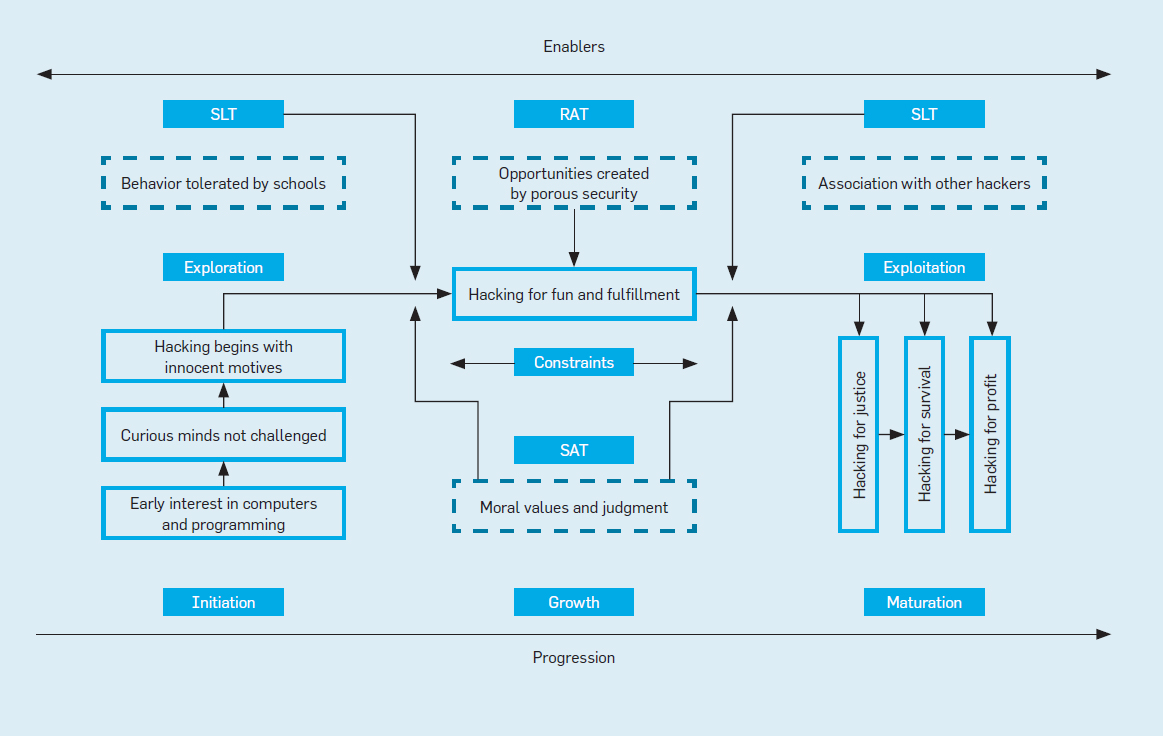
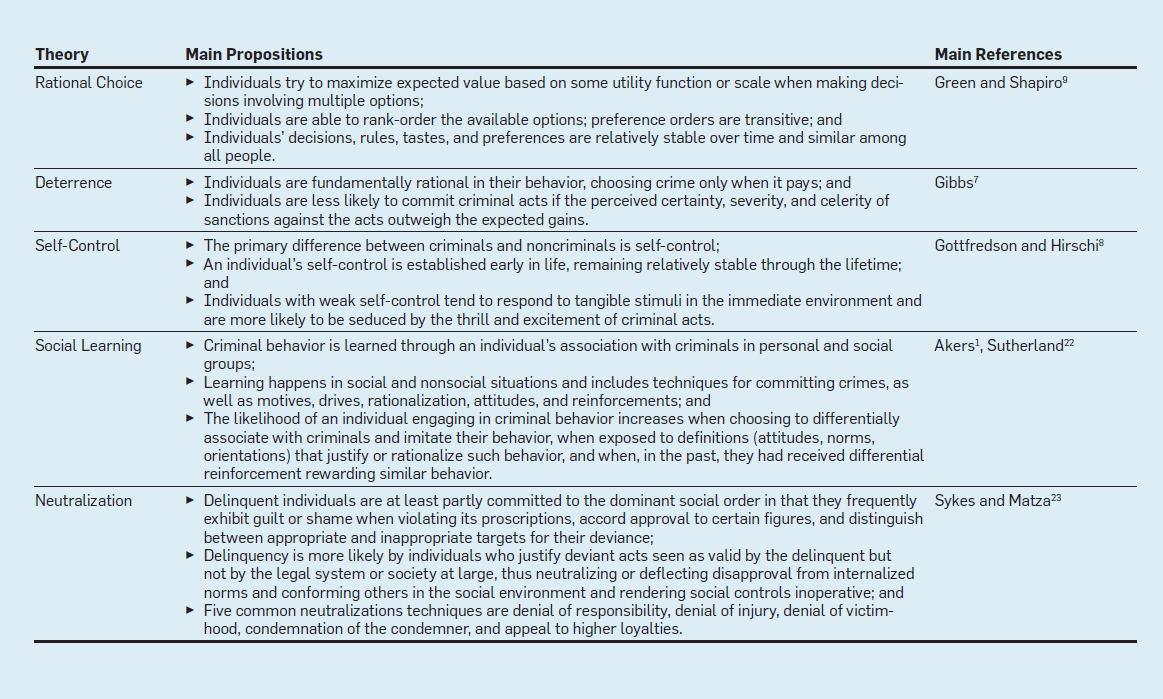
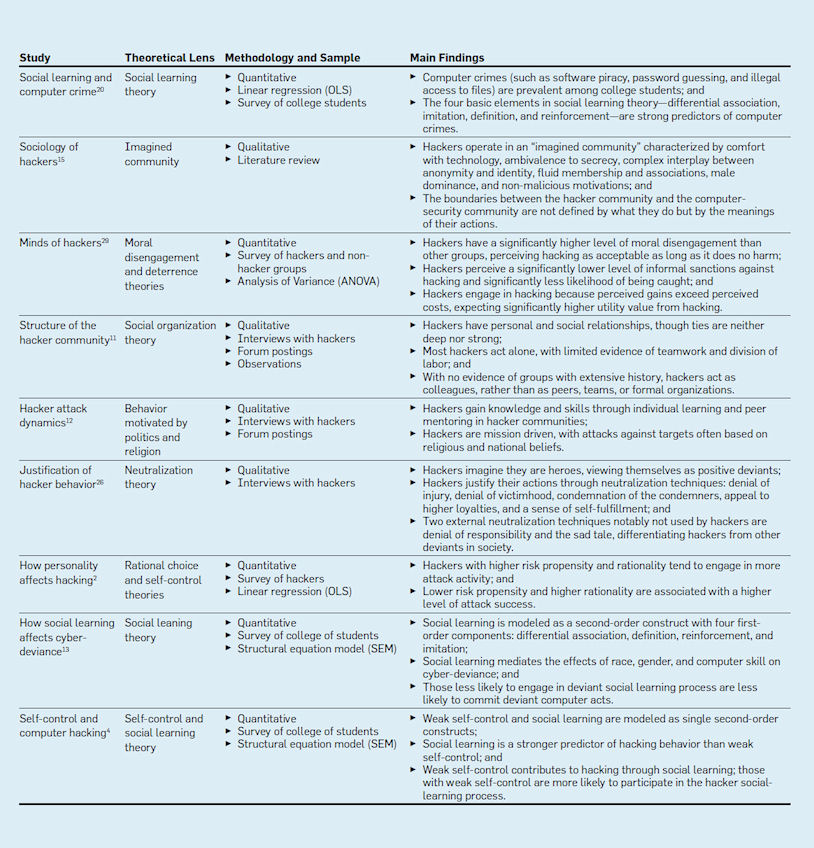
routine activity theory5 (RAT), social learning theory1 (SLT), and situational action theory27 (SAT).
While RAT helps explain how hacking begins, SAT explains why talented young people take the road toward computer hacking, even when presented with many alternatives, and SLT calls for attention to environments that sustain hacking behavior and subculture. However, none of these theories explains the evolution of certain critical elements in the hacker process: motivation, knowledge and skill, opportunity, moral values and judgment, and the environment.
Based on our case evidence and the literature, we developed a framework for understanding and managing hackers and hacking behavior from an evolutionary perspective. The framework’s most significant contribution is its explication of the enablers and constraints influencing hackers, providing guidance for managing the hacking epidemic by schools, universities, and throughout society. This framework calls for zero tolerance for hacking in schools and early intervention (such as through courses in computer ethics in middle and high schools, supervised competitions in defending computer security, and organizing computer security services for organizations) to strengthen the moral values of students against hacking and channel their interest in computers in a positive direction.
http://cacm.acm.org/magazines/2013/4/162513-why-computer-talents-become-computer-hackers/fulltext
DataMind – A New Effort to Teach R online for free #rstats
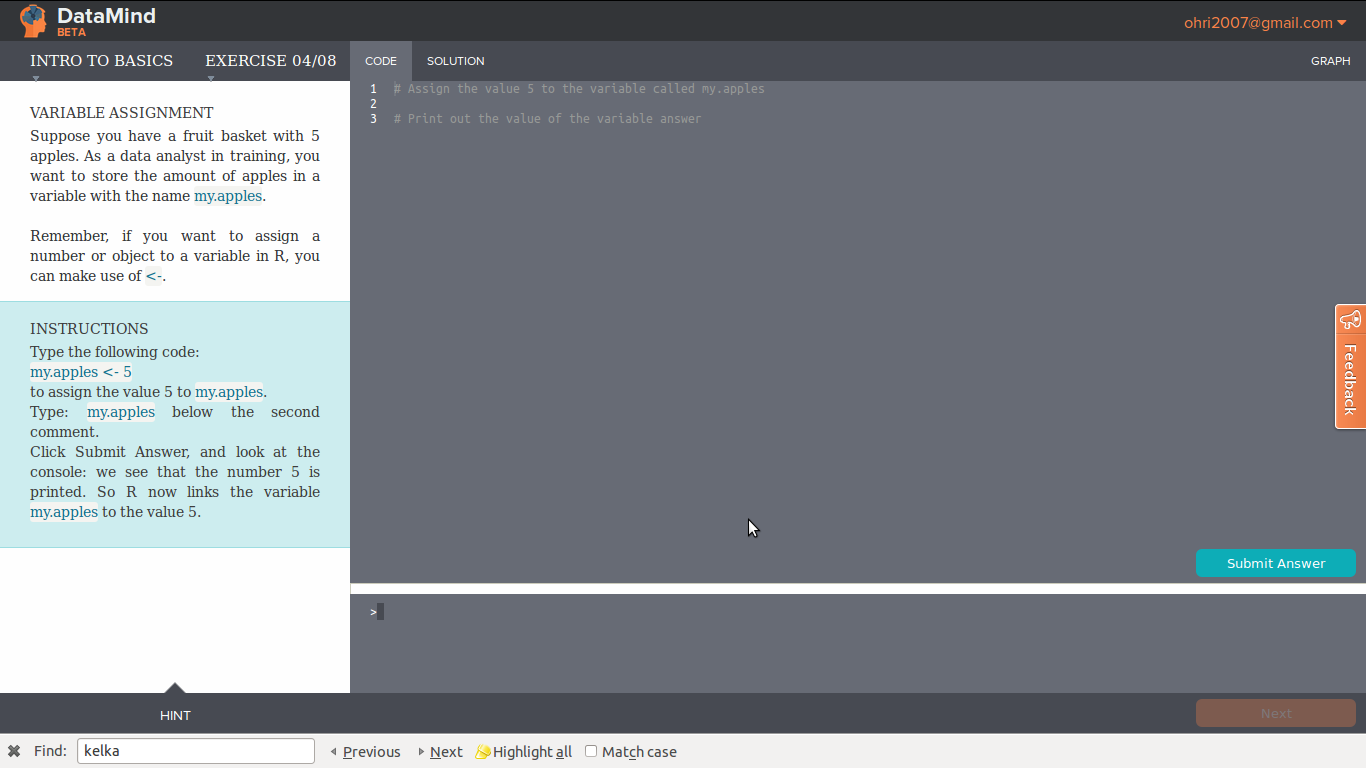
Bringing CodeAcademy gamification(?) to the world of Online Training especially for R- DataMind is an interesting concept.
Will the rest of R community donate teaching courses for free? Watch this space
http://www.datamind.org/#/courses/1
It is created by these excellent gentlemen